Rockland Orthodontics

Uncategorized

TAKING CARE OF BRACES DURING THE HOLIDAYS

The winter holidays in New City brings a cornucopia of sticky, sweet, and nut-filled treats. These are a delicious and often home-cooked tradition in many families. However, if you have braces from Rockland Orthodontics, winter baked goods can pose a challenge. Here are some foods to watch out for and foods you can safely enjoy them while protecting your teeth:

Popcorn and Braces

The Problem
Candied or caramel-coated popcorn is traditional for the holiday season for enjoying while watching movies with the family. While you may love this tasty treat, it can be tricky to eat while you’re wearing braces. The sticky sugars can coat your teeth, promoting plaque buildup. Meanwhile, wearing braces just gives the popcorn’s hard shells more places to lodge into.

The Fix
Eat in moderation. Look for hull-less popcorn, which can be found online or in specialty stores. Opt for savory varieties or dust caramel-flavored powder over your serving.

Nuts and Braces

The Problem
From ‘chestnuts roasting over an open fire’ to your Grandma’s famous pecan pie, nuts are everywhere this holiday season. However, they can pose several problems. As you chew, nuts can break down into a creamy paste that can stick into crevices in your mouth. Little pieces can lodge around your braces. Finally, shards of shell can scratch your gums or even crack teeth.

The Fix
Check carefully for shells. Enjoy with a glass of water to help wash them down. Swap out nuts for fresh fruit in recipes.

Candied Fruit and Braces

The Problem
From candied orange peels to Maraschino cherries, these staples of fruitcakes and other treats all have one thing in common: they’re dense and sticky. You have to chew them for a long time before swallowing, letting you savor the flavor but also giving the fruit ample opportunity to get stuck in your braces. Once trapped there, the sugars these fruits are preserved in create a breeding ground for bacteria.

The Fix
Unfortunately, this is one case where you should try to avoid these foods entirely. You can easily swap out fresh orange peel or chopped apples without greatly changing your favorite holiday recipes.

Holiday Candy and Braces

The Problem
Fudge. Salted caramel. Candy canes. The holidays are overflowing with treats that are literally made of sugar. These don’t just threaten your waistline; they can also stick to teeth and supercharge plaque growth. The denser and stickier the candy, the harder it will be to brush away.

The Fix
Start off by making sensible swaps. Instead of a sticky toffee, try a caramel-infused hot chocolate to get your sweet fix. Don’t forget to brush your teeth afterward. Otherwise, try experimenting with sugar-free varieties of your favorite treats. The sugar-free industry has come a long way; many of these products taste identical to the regular version.

If All Else Fails

If you had to have a bite of your mother’s triple caramel fudge or risk family pandemonium, you can still minimize the damage. Indulge, then have a glass of water and brush your teeth. Finally, if there is a problem with your orthodontics, visit Rockland Orthodontics. Stay safe and Happy Holidays from all of us at Rockland Orthodontics!

TAKING CARE OF BRACES DURING THE HOLIDAYS Read More »

Love Your Smile: How Orthodontic Treatment Boosts Confidence and Attractiveness

Valentine’s Day is all about love, and what better way to celebrate than by loving your smile? A confident, radiant smile can enhance your attractiveness, boost self-esteem, and make a lasting impression on a date. Whether you’re looking to start orthodontic treatment or are in the middle of your smile journey, there’s no better time to focus on achieving the smile of your dreams.

The Connection Between a Beautiful Smile and Confidence

Studies show that people with straight teeth are often perceived as more attractive, approachable, and successful. A confident smile can make you feel more self-assured in social settings, whether you’re meeting someone new, going on a date, or spending time with loved ones. Orthodontic treatments like braces and clear aligners can correct misaligned teeth, gaps, and bite issues—giving you a smile you’ll be proud to show off.

How Straight Teeth Enhance Your Facial Aesthetics

Beyond just looking great in photos, properly aligned teeth can improve your overall facial symmetry and balance. A well-aligned smile supports the lips, jawline, and facial structure, contributing to a youthful and harmonious appearance. Plus, straight teeth are easier to clean, reducing the risk of bad breath and gum disease—essential for those close-up Valentine’s moments!

Impress Your Valentine with a Healthy, Kissable Smile

Whether you’re celebrating with a special someone or enjoying self-love this Valentine’s Day, maintaining good oral hygiene is key. Here are some tips to keep your smile fresh and kiss-ready:
✅ Brush & Floss Daily – Prevent plaque buildup and maintain fresh breath.
✅ Stay Hydrated – Drinking water helps wash away bacteria and keeps your mouth moisturized.
✅ Use Orthodontic-Friendly Mouthwash – This helps keep your gums healthy and breath fresh.
✅ Limit Sugary Treats – Valentine’s chocolates are tempting, but too much sugar can lead to cavities. Opt for dark chocolate, which has lower sugar content and may even benefit oral health!
✅ Keep Your Aligners Clean – If you wear Invisalign or other clear aligners, ensure they are cleaned properly to avoid bacteria buildup.

Considering Orthodontic Treatment? Now is the Perfect Time!

If you’ve been thinking about enhancing your smile, why wait? Valentine’s Day is a reminder to love yourself, and investing in orthodontic treatment is a long-term gift to your confidence and well-being. Whether you choose traditional braces or discreet clear aligners, our team is here to guide you on your journey to a perfect smile.

Happy Valentine’s Day from Rockland Orthodontics!

Love Your Smile: How Orthodontic Treatment Boosts Confidence and Attractiveness Read More »

How Orthodontic Treatment Can Improve Your Oral Health and Overall Wellbeing

Orthodontic treatment is often associated with achieving a straighter, more aesthetically pleasing smile. However, the benefits of properly aligned teeth extend far beyond appearances. From improving oral hygiene and reducing the risk of tooth decay and gum disease to alleviating jaw pain and boosting self-confidence, orthodontic treatment plays a significant role in enhancing both oral health and overall well-being.

1. Improved Oral Hygiene

Properly aligned teeth are easier to clean. Crooked, crowded, or overlapping teeth can create hard-to-reach areas where plaque and food debris accumulate. Over time, this buildup can lead to cavities, gum disease, and even bad breath. Orthodontic treatment, such as braces or clear aligners, aligns the teeth in a way that makes brushing and flossing more effective. With improved access to all tooth surfaces, patients can maintain better oral hygiene and reduce the risk of oral health issues.

2. Reduced Risk of Tooth Decay and Gum Disease

When teeth are misaligned, plaque can easily settle in tight spaces and along the gumline. Plaque contains harmful bacteria that produce acids, which attack the enamel and cause cavities. Similarly, gum disease can develop when plaque builds up around the gums, leading to inflammation (gingivitis) or more severe infections (periodontitis). Orthodontic treatment eliminates many of these problem areas by aligning the teeth and providing a healthier oral environment. This proactive approach helps prevent decay, gum disease, and even tooth loss.

3. Alleviation of Jaw Pain and Bite Issues

Misaligned teeth and bite problems, such as overbite, underbite, or crossbite, can place extra strain on the jaw joint (temporomandibular joint or TMJ). This strain can cause jaw pain, headaches, and difficulty chewing. Orthodontic treatment corrects bite misalignments, ensuring that teeth fit together properly when the mouth is closed. By improving bite function, orthodontics can alleviate pain and discomfort while also reducing the risk of long-term TMJ disorders.

4. Improved Speech and Chewing Function

Teeth play a critical role in chewing and speaking. Misaligned teeth or bite issues can make it difficult to break down food properly, leading to digestive problems. Similarly, gaps or overcrowded teeth may cause speech impediments, such as lisping or difficulty pronouncing certain words. Orthodontic treatment aligns the teeth and jaw, ensuring proper function for chewing and speaking, ultimately contributing to better digestion and clearer communication.

5. Boosted Self-Confidence and Mental Health

A straight, healthy smile can have a profound impact on a person’s self-confidence and overall mental wellbeing. Individuals who feel self-conscious about crooked or misaligned teeth may avoid smiling or social interactions, leading to feelings of insecurity. Orthodontic treatment not only enhances the appearance of the smile but also helps people feel more comfortable and confident in their personal and professional lives. This boost in self-esteem often contributes to improved mental health and a better quality of life.

6. Prevention of Excessive Wear and Tear

Teeth that are out of alignment may not distribute biting forces evenly. This can lead to uneven wear and tear on certain teeth, causing them to weaken over time. Misalignment can also contribute to enamel erosion, tooth sensitivity, and even fractures. Orthodontic treatment ensures that teeth align correctly, reducing the stress placed on individual teeth and promoting long-term oral health.

7. Enhanced Overall Health

Oral health is closely linked to overall health. Poor oral hygiene and untreated dental issues can contribute to systemic problems, such as cardiovascular disease, diabetes, and respiratory infections. By improving oral hygiene and preventing gum disease and tooth decay, orthodontic treatment supports a healthier body. Straight teeth not only look great but also help maintain the foundation of good overall health.

Comprehensive Q&A Section

Q: At what age should someone consider orthodontic treatment?A: Orthodontic treatment can be effective at any age, but it’s generally recommended for children between the ages of 7 and 14 as their jaws are still developing. Adults can also benefit greatly from orthodontics, as advancements like clear aligners have made treatment more discreet and accessible.

Q: What are the main types of orthodontic treatments available?A: The most common options include traditional metal braces, ceramic braces, and clear aligners like Invisalign. The right choice depends on the patient’s needs, preferences, and budget.

Q: How does orthodontic treatment help prevent gum disease?A: Straight teeth are easier to clean, reducing plaque buildup and lowering the risk of gum inflammation, gingivitis, and periodontitis.

Q: Can orthodontic treatment help with jaw pain?A: Yes. By correcting bite alignment and reducing strain on the jaw joint, orthodontic treatment can alleviate jaw pain and prevent long-term TMJ issues.

Q: Is orthodontic treatment covered by insurance?A: Many dental insurance plans provide partial coverage for orthodontic treatment, especially for children. It’s best to consult with your insurance provider to understand your benefits.

Q: How long does orthodontic treatment take?A: Treatment duration varies based on individual needs but typically ranges from 12 to 36 months. Regular check-ups and following your orthodontist’s instructions can help ensure optimal results.

Q: Will orthodontic treatment hurt?A: Some discomfort is normal, especially after adjustments or when switching aligners. However, this discomfort is temporary and can be managed with over-the-counter pain relievers.

Final Thoughts

Orthodontic treatment offers far-reaching benefits that go beyond a straight smile. By improving oral hygiene, reducing the risk of cavities and gum disease, alleviating jaw pain, and boosting self-confidence, orthodontics plays a crucial role in enhancing overall well-being. Investing in orthodontic care not only contributes to a healthier smile but also paves the way for a healthier and more confident you.

If you’ve been considering orthodontic treatment, consult with Rockland Orthodontics today to explore your options.

Schedule a consultation and take the first step toward a healthier smile and improved well-being!

How Orthodontic Treatment Can Improve Your Oral Health and Overall Wellbeing Read More »

Combining Orthodontics with Cosmetic Dentistry: Achieving a Stunning Smile

A beautiful smile can leave a lasting impression and boost confidence significantly. But for many, achieving that picture-perfect smile goes beyond just straightening teeth. Combining orthodontic treatments with cosmetic dentistry procedures can be the key to enhancing not only the alignment but also the overall aesthetics of your teeth. Let’s dive into how these treatments can be seamlessly integrated to provide stunning, long-lasting results.

The Power of Combining Orthodontics and Cosmetic Dentistry

Orthodontics is essential for correcting misaligned teeth and improving bite function. However, even with straight teeth, some patients desire further enhancements to make their smile truly shine. Cosmetic dentistry addresses the color, shape, and overall look of the teeth, making the two specialties a powerful combination for an incredible transformation.

Common Orthodontic Treatments

  1. Braces (Traditional or Clear)
    • Used to move teeth into proper alignment over time.
  2. Invisalign and Other Clear Aligners
    • Popular for discreetly straightening teeth.
  3. Retainers
    • Help maintain the position of teeth after orthodontic treatment.

Popular Cosmetic Dentistry Procedures

  1. Teeth Whitening
    • Brightens and whitens teeth, eliminating stains and discoloration.
  2. Veneers
    • Thin porcelain or composite shells bonded to the front of teeth to enhance shape and color.
  3. Dental Bonding
    • A procedure where tooth-colored resin is applied to fix chips, cracks, or minor gaps.
  4. Enamel Shaping
    • Contouring and reshaping of teeth for a more uniform appearance.

Benefits of Combining Orthodontics with Cosmetic Dentistry

  1. Enhanced Aesthetics
    • Combining the two treatments maximizes the beauty of your smile, aligning teeth and enhancing their appearance simultaneously.
  2. Improved Functionality
    • Orthodontics not only improves aesthetics but also optimizes the bite and overall oral health, making cosmetic treatments longer-lasting.
  3. Customized Treatment Plan
    • A holistic approach allows dental professionals to create a tailored plan that considers all aspects of your smile.

Timing: When to Combine Treatments

The sequence of treatments is crucial for achieving optimal results:

  1. Orthodontics First
    • Orthodontic treatment should always come first to properly align the teeth and jaw. Moving teeth after cosmetic work could damage veneers, bonding, or crowns.
  2. Cosmetic Enhancements Second
    • Once teeth are aligned, cosmetic procedures can be used to address discoloration, chips, or irregular shapes.

Treatment Timeline Example

  1. Initial Consultation
    • Discuss goals and treatment options. A comprehensive evaluation is conducted to determine the best plan.
  2. Orthodontic Treatment (6-24 months)
    • Braces or aligners are used to move teeth into their desired positions.
  3. Post-Orthodontic Care
    • Retainers are given to maintain the new alignment.
  4. Cosmetic Dentistry (2-4 weeks)
    • Teeth whitening, veneers, or bonding are performed to perfect the smile.

Comprehensive Q&A Section

Q: Can I get veneers before orthodontic treatment?A: It is not recommended to get veneers before orthodontics. Moving teeth with veneers can lead to complications and damage. Always complete orthodontic treatment first.

Q: How long after orthodontics should I wait before cosmetic procedures?A: It depends on your case, but typically, a short waiting period is advised to ensure teeth are stable in their new positions. Your dentist will guide you on the appropriate timing.

Q: Are teeth whitening and veneers necessary after orthodontics?A: Not always, but they can be beneficial. Teeth whitening can brighten the smile, and veneers can cover imperfections for an enhanced aesthetic. Your dentist will help determine what’s best for your needs.

Q: Will combining treatments cost more?A: While the combined treatments may seem costly, the comprehensive approach can save time and money in the long run by achieving the desired results efficiently. Some dental offices may offer bundled pricing.

Q: Can Invisalign be paired with cosmetic procedures?A: Yes, Invisalign is often combined with cosmetic treatments like teeth whitening. However, any major cosmetic work, like veneers, should be done after Invisalign treatment.

Q: Is dental bonding a permanent solution after orthodontics?A: Dental bonding is durable but not permanent. It may need to be touched up or replaced after several years. However, it’s a great option for minor enhancements after orthodontics.

Contact Information

For more information or to schedule a consultation, reach out to Rockland Orthodontics.

Combining orthodontics with cosmetic dentistry is an investment in your confidence and well-being. With a personalized treatment plan, you can achieve a stunning, healthy smile that you’ll be proud to show off for years to come! Contact Rockland Orthodontics today to get started on your smile transformation journey.

Combining Orthodontics with Cosmetic Dentistry: Achieving a Stunning Smile Read More »

The Benefits of Early Orthodontic Intervention: Why Timing Matters

As parents, ensuring that our children grow up healthy and happy is a top priority. One area of health that is often overlooked in young children is their orthodontic development. While many people associate braces and orthodontic treatments with teenagers, early orthodontic evaluations—typically around the age of seven—can play a crucial role in preventing more serious dental issues later in life. Early intervention can make a significant difference in a child’s oral health by guiding jaw growth, addressing alignment problems, and potentially reducing the need for future treatments like extractions or surgery.

In this blog post, we will discuss the importance of early orthodontic evaluations and highlight the key benefits of early intervention, explaining why the timing of these assessments matters for your child’s future oral health.

Why Age 7 is the Ideal Time for an Orthodontic Evaluation

The American Association of Orthodontists (AAO) recommends that children have their first orthodontic evaluation by the age of seven. At this age, most children have a mix of both primary (baby) teeth and permanent (adult) teeth, which allows orthodontists to evaluate the developing dental and jaw structures. By examining the alignment of the teeth and the growth of the jaw early on, an orthodontist can detect potential problems before they become more severe.

Some issues that can be identified during an early orthodontic evaluation include:

  • Crowding of teeth
  • Crossbites, overbites, or underbites
  • Jaw misalignment
  • Excessive spacing between teeth
  • Difficulty with chewing or speaking
  • Thumb-sucking habits affecting dental development

While not all children will need treatment at this age, an early evaluation provides valuable information about the potential need for future orthodontic care. For children who do require early intervention, the orthodontist can create a personalized treatment plan to guide proper development.

The Benefits of Early Orthodontic Intervention

When orthodontic problems are identified early, they can often be addressed more easily and effectively. Early intervention can help guide the growth of the jaw, create more space for incoming permanent teeth, and prevent more serious dental problems from developing down the road. Let’s explore the key benefits of early orthodontic care:

1. Guiding Jaw Growth and Development

One of the main advantages of early orthodontic intervention is the ability to guide the growth and development of the jaw. In some children, the upper and lower jaws may not grow at the same rate, leading to issues such as overbites, underbites, or crossbites. If left untreated, these issues can worsen over time, making them more difficult to correct later.

By intervening early, orthodontists can use appliances like expanders or braces to gently guide the growth of the jaw, ensuring proper alignment. Correcting these issues early can reduce the need for more invasive treatments, such as jaw surgery, in the future.

2. Preventing Severe Crowding

Early orthodontic evaluations can help identify whether there is enough space for your child’s permanent teeth to come in correctly. In cases where crowding is likely, early treatment can create more space in the mouth for the permanent teeth to erupt in the right position. This can be done using devices like palatal expanders or partial braces to widen the jaw or shift teeth into better alignment.

Preventing severe crowding through early intervention can reduce the need for tooth extractions later in life and make future orthodontic treatments, such as braces, shorter and less complex.

3. Reducing the Need for Tooth Extractions

When dental crowding or misalignment is left unaddressed until the teenage years, orthodontic treatment may require the extraction of one or more teeth to make room for the proper alignment of the remaining teeth. However, with early intervention, orthodontists can often avoid extractions by guiding the growth of the jaw and creating enough space for all the permanent teeth.

By addressing alignment issues early, orthodontists can help ensure that your child keeps all their natural teeth and still achieves a beautiful, straight smile.

4. Correcting Harmful Oral Habits

Children often develop habits such as thumb sucking or tongue thrusting, which can negatively affect the alignment of their teeth and the growth of their jaws. These habits can cause misalignment of the front teeth (open bites) or other orthodontic issues. Early orthodontic evaluation can help identify these habits and provide strategies or appliances to help correct them before they lead to long-term problems.

Addressing harmful oral habits early can prevent the need for more extensive orthodontic treatment in the future.

5. Improving Self-Esteem and Confidence

Crooked or misaligned teeth can impact a child’s self-esteem and confidence, especially as they grow older. Early orthodontic treatment can correct noticeable issues before they become a source of embarrassment for your child. A straight, healthy smile can boost your child’s confidence in social situations and improve their self-image.

6. Preventing Future Dental Problems

Early orthodontic treatment can prevent more serious dental problems down the line. Misaligned teeth are more difficult to clean, which increases the risk of tooth decay, gum disease, and other oral health issues. By ensuring that your child’s teeth are properly aligned and spaced, early intervention can make it easier for them to maintain good oral hygiene and prevent future dental problems.

Additionally, a properly aligned bite reduces the risk of uneven wear on the teeth and can prevent issues such as temporomandibular joint (TMJ) disorders, which can cause pain and discomfort in the jaw.

What to Expect During an Early Orthodontic Evaluation

If your child is around the age of seven and you’re considering scheduling their first orthodontic evaluation, here’s what you can expect:

  • Initial Examination: The orthodontist will examine your child’s teeth, jaw, and facial structure to assess their oral development. They may take X-rays or digital scans to get a clearer view of the position of the teeth and jaws.
  • Diagnosis and Recommendations: Based on the evaluation, the orthodontist will identify any current or potential orthodontic issues. If early intervention is needed, they will recommend a treatment plan to address the issues. In some cases, the orthodontist may recommend monitoring your child’s development until further treatment is needed.
  • Personalized Treatment Plan: If early treatment is recommended, the orthodontist will develop a personalized treatment plan that may include braces, expanders, or other orthodontic appliances. They will explain the expected duration of treatment and what results you can anticipate.

Comprehensive Q&A Section

Q: Does every child need early orthodontic intervention?

A: No, not every child will require early orthodontic treatment. However, an evaluation by age seven allows the orthodontist to identify any potential issues early and determine whether intervention is needed. Some children may simply need to be monitored as their teeth and jaws develop.

Q: What types of orthodontic issues can be corrected with early intervention?

A: Early orthodontic intervention can address a variety of issues, including crowding, crossbites, overbites, underbites, excessive spacing, and misalignment caused by habits such as thumb sucking. Early treatment can guide the growth of the jaw and teeth, preventing more severe problems from developing.

Q: Will my child need braces after early orthodontic treatment?

A: In some cases, early treatment reduces the need for braces later, while in other cases, children may still require braces in their teenage years to refine their smile. However, early intervention can make any future orthodontic treatment shorter and less complex.

Q: Is early orthodontic treatment painful for children?

A: Early orthodontic treatments, such as expanders or braces, are designed to be gentle and gradually guide the teeth and jaw into proper alignment. Most children experience only mild discomfort, similar to that of traditional braces, which typically resolves within a few days.

Q: How can I tell if my child needs an early orthodontic evaluation?

A: Some signs that your child may need an early orthodontic evaluation include difficulty biting or chewing, thumb-sucking habits after age five, crowded or misplaced teeth, jaw misalignment, and early loss of baby teeth. If you notice any of these signs, it’s a good idea to schedule an evaluation with an orthodontist.

Conclusion

Early orthodontic intervention can provide significant benefits for children by guiding jaw growth, preventing severe alignment issues, and reducing the need for future extractions or more invasive treatments. Scheduling an orthodontic evaluation by age seven allows you to catch potential problems early and take steps to ensure your child’s smile is healthy, functional, and beautiful as they grow.

If you’re ready to schedule your child’s first orthodontic evaluation or have questions about early intervention, contact Rockland Orthodontics today. Our experienced team is here to guide you through the process and provide personalized care for your child’s orthodontic needs.

The Benefits of Early Orthodontic Intervention: Why Timing Matters Read More »

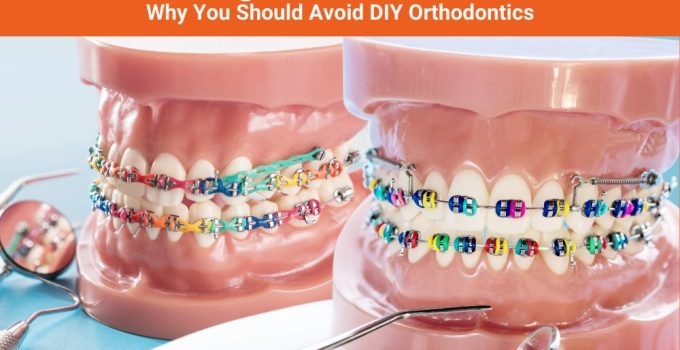
The Dangers of Fake Braces: Why You Should Avoid DIY Orthodontics

In recent years, the trend of wearing fake braces has gained popularity, especially among teenagers and young adults who see them as a fashion statement. Fake braces, or DIY orthodontics, may look like a stylish accessory, but they come with serious health risks. Unlike real braces, which are designed and applied by licensed orthodontists, fake braces are often made from cheap materials and installed without any professional supervision. This can lead to a range of dental and health problems, some of which can be long-lasting or even irreversible.

In this blog post, we’ll explore the dangers of fake braces, why professional orthodontic care is essential, and what to do if you or someone you know has worn or is considering wearing fake braces.

What Are Fake Braces?

Fake braces are imitation braces designed to look like real orthodontic braces. Unlike professional braces, which are used to correct dental issues like misaligned teeth and improper bites, fake braces serve no medical purpose. They are often made using inexpensive materials like wire, rubber bands, and plastic that mimic the appearance of real braces. These fake braces are sometimes sold online, in stores, or even made at home using DIY kits.

Fake braces are particularly popular in some parts of the world where they are seen as a trendy accessory, but they can be extremely dangerous when worn for extended periods of time.

Why Fake Braces Are Dangerous

There are several reasons why fake braces are harmful to your dental health and overall well-being. Let’s take a closer look at some of the risks associated with wearing fake braces:

1. Risk of Infection

Fake braces are often made using non-sterile, low-quality materials that can introduce harmful bacteria into your mouth. These bacteria can cause infections in your gums, teeth, and even your bloodstream, leading to painful and potentially serious health problems. Unlike professional braces, which are applied in a clean and controlled environment, fake braces lack the necessary hygiene standards to keep your mouth safe.

2. Damage to Teeth and Gums

The materials used in fake braces, such as cheap wires or rubber bands, can cause significant damage to your teeth and gums. Fake braces are not custom-fitted to your mouth, meaning they can rub against the delicate tissues inside your mouth, causing cuts, sores, and even gum recession. Additionally, the constant pressure from improperly installed wires can loosen or shift your teeth in harmful ways, leading to permanent damage that may require extensive dental work to repair.

3. Choking Hazards

Fake braces are often poorly made, with components that can easily come loose. Small parts like wires, brackets, or rubber bands can break off and become choking hazards. In some cases, people have accidentally swallowed pieces of fake braces, which can lead to gastrointestinal blockages or other serious medical complications.

4. Improper Tooth Movement

Real braces are carefully designed by orthodontists to gradually and safely move teeth into their correct positions. Fake braces, on the other hand, apply uneven and uncontrolled pressure to your teeth, which can cause them to shift in undesirable ways. This improper movement can lead to crooked teeth, gaps, or even bite problems that may require professional orthodontic treatment to correct. In severe cases, the damage caused by fake braces can result in the need for tooth extraction.

5. Toxic Materials

Some fake braces are made using materials that are not safe for use in the mouth. These materials may contain toxic substances like lead or harmful plastics that can leach into your body over time. Prolonged exposure to these toxins can have long-term health consequences, including poisoning and allergic reactions.

6. No Professional Supervision

One of the most significant dangers of fake braces is that they are applied without the supervision of a licensed orthodontist. Orthodontic treatment is a highly specialized field that requires a deep understanding of tooth movement, jaw alignment, and facial structure. Without professional guidance, wearing fake braces can lead to serious dental problems, as there is no expert monitoring your progress or making necessary adjustments to ensure your teeth are moving correctly.

Why Professional Orthodontic Care Is Essential

Orthodontic treatment is about more than just achieving a perfect smile. It involves correcting misalignments that can affect your ability to chew, speak, and maintain proper oral hygiene. Here’s why professional orthodontic care is so important:

1. Customized Treatment

When you visit a licensed orthodontist, your treatment plan is tailored to your specific dental needs. Orthodontists use advanced imaging technology and take precise measurements to create a treatment plan that safely and gradually moves your teeth into their proper positions. This level of customization ensures that your teeth and jaw are aligned correctly, reducing the risk of complications later on.

2. Regular Adjustments

Throughout your orthodontic treatment, your orthodontist will regularly check your progress and make adjustments to your braces as needed. These adjustments are crucial for ensuring that your teeth move in a controlled and healthy manner. Without these checkups, you risk overcorrecting or undercorrecting your dental issues, which can cause long-term damage.

3. Safety and Hygiene

Licensed orthodontists use safe, high-quality materials and maintain a sterile environment to prevent infections and complications. They also provide patients with detailed instructions on how to care for their braces and maintain good oral hygiene throughout the treatment process. This ensures that you achieve the best possible results without putting your health at risk.

4. Preventing Long-Term Damage

Professional orthodontic treatment is designed to not only improve the appearance of your smile but also prevent long-term dental issues like tooth decay, gum disease, and jaw problems. By addressing misalignments early on, orthodontists can help you avoid more serious health issues down the road.

What to Do If You’ve Worn Fake Braces

If you or someone you know has worn fake braces, it’s essential to see a dentist or orthodontist as soon as possible. A dental professional can assess your oral health and determine whether any damage has occurred. Early intervention is crucial for preventing long-term complications, so don’t hesitate to seek help if you’ve worn fake braces.

Comprehensive Q&A Section

Q: Can fake braces straighten my teeth?

A: No, fake braces are not designed to straighten teeth and can cause more harm than good. Without the proper adjustments made by a licensed orthodontist, fake braces can move your teeth in harmful ways, leading to permanent damage.

Q: Are there any legal issues with wearing fake braces?

A: In many countries, selling or distributing fake braces is illegal due to the health risks involved. Fake braces are considered a medical device, and using them without proper certification or supervision is both dangerous and, in some cases, unlawful.

Q: What are the signs that fake braces are damaging my teeth?

A: Signs of damage from fake braces include gum irritation, bleeding, tooth pain, loose teeth, and sores inside the mouth. If you experience any of these symptoms after wearing fake braces, it’s important to see a dentist immediately.

Q: Why are fake braces popular?

A: Fake braces have become a fashion trend in certain areas, especially among teens and young adults. Some people view braces as a symbol of wealth or status, which has contributed to their popularity. However, the risks far outweigh any perceived benefits.

Q: How can I safely straighten my teeth?

A: The safest and most effective way to straighten your teeth is by visiting a licensed orthodontist. They will assess your dental needs and create a customized treatment plan, whether it involves traditional braces, clear aligners, or other orthodontic solutions.

Conclusion

While fake braces may seem like a fun or trendy accessory, the risks they pose to your dental health are significant. From infections to permanent tooth damage, wearing fake braces can lead to a range of serious complications. The best way to achieve a healthy, straight smile is through professional orthodontic care provided by a licensed expert.

If you’re considering orthodontic treatment or have concerns about the health of your teeth after wearing fake braces, contact Rockland Orthodontics today. Our team of professionals is here to provide safe, effective treatment that will help you achieve the smile you’ve always wanted—without putting your health at risk.

The Dangers of Fake Braces: Why You Should Avoid DIY Orthodontics Read More »

Orthodontic Myths Debunked: Separating Fact from Fiction

Orthodontic treatment has come a long way in recent years, offering life-changing solutions to patients of all ages. Unfortunately, some common myths continue to surround orthodontics, creating unnecessary fears and misconceptions. In this blog post, we aim to debunk these myths, separating fact from fiction, and providing accurate information to help potential patients make informed decisions.

Myth #1: Orthodontic Treatment Is Painful

Fiction: Many people believe that getting braces or other orthodontic treatments is extremely painful.

Fact: While some mild discomfort is normal, especially after adjustments, modern orthodontic treatments are designed to be as comfortable as possible. Today’s technology, including smaller brackets, smoother wires, and options like Invisalign, greatly reduces discomfort. Patients may experience some pressure, but severe pain is rare, and any discomfort usually subsides after a few days.

Myth #2: Only Kids and Teens Get Orthodontic Treatment

Fiction: Orthodontics is only for children and teenagers. Once you reach adulthood, it’s too late for treatment.

Fact: Orthodontic treatment is for patients of all ages. In fact, many orthodontists have seen a rise in adult patients seeking treatment. Age is not a barrier to achieving a healthy and beautiful smile. While childhood is an optimal time for orthodontics due to growing bones, adults can still benefit from treatment with braces, clear aligners, or other methods to correct misalignments and bite issues.

Myth #3: Braces Take Years to Work

Fiction: Orthodontic treatment always takes several years to complete.

Fact: Treatment duration varies from person to person, depending on the complexity of the case. Some patients may complete treatment in as little as six months, while others may take longer. Orthodontists create personalized treatment plans, so the timeline is tailored to the individual. Advancements in orthodontic technology have also accelerated the process in many cases, making it faster than ever to achieve desired results.

Myth #4: Braces Are the Only Option

Fiction: If you need orthodontic treatment, braces are the only choice.

Fact: While traditional metal braces are a popular and effective treatment, they are far from the only option. Depending on your needs, your orthodontist may recommend clear aligners like Invisalign, ceramic braces, or lingual braces, which are placed behind the teeth. These alternatives offer flexibility and discretion, especially for adults who may be self-conscious about wearing visible braces.

Myth #5: Orthodontic Treatment Is Purely Cosmetic

Fiction: Orthodontics is only about improving appearance.

Fact: While a beautiful smile is often the most noticeable result of orthodontic treatment, it’s not the only benefit. Orthodontics helps improve overall oral health by correcting bite issues, and reducing the risk of tooth decay, gum disease, and even jaw problems like TMJ disorder. A properly aligned bite also aids in better chewing and speech, contributing to a healthier, more functional smile.

Myth #6: Once Braces Come Off, You’re Done

Fiction: After braces are removed, your teeth will stay perfectly straight without any further care.

Fact: Retainers are an essential part of post-treatment care. Without them, your teeth may shift back to their original positions over time. Orthodontists provide retainers to help maintain the results of your treatment. Wearing them as instructed is crucial to preserving your smile for the long term.

Myth #7: Orthodontic Treatment Is Too Expensive

Fiction: Orthodontic treatment is prohibitively expensive and not worth the investment.

Fact: While orthodontics can be a financial investment, most practices offer payment plans or financing options to make treatment more affordable. Additionally, many dental insurance plans cover a portion of orthodontic treatment. Considering the long-term benefits to your oral health and the confidence a beautiful smile provides, orthodontics is a worthwhile investment in your well-being.

Comprehensive Q&A Section

Q: How long does orthodontic treatment typically take?A: The duration of treatment varies depending on the severity of the case. It can range from six months for minor adjustments to two or more years for more complex issues. Your orthodontist will provide an estimate based on your specific treatment plan.

Q: Is orthodontic treatment painful?A: Orthodontic treatment should not be painful, though some patients may experience mild discomfort, especially after getting braces or adjustments. This discomfort usually subsides within a few days and can be managed with over-the-counter pain relievers.

Q: Can adults get orthodontic treatment?A: Absolutely! Orthodontic treatment is not limited by age. Many adults are now seeking treatment to correct long-standing issues with their teeth and bite. Modern orthodontics offers discreet options like Invisalign that are perfect for adults.

Q: What are my options besides traditional braces?A: There are many alternatives to traditional braces, including clear aligners like Invisalign, ceramic braces, and lingual braces. Each option has its advantages, and your orthodontist can help determine the best treatment for you based on your needs and preferences.

Q: Are braces only for cosmetic purposes?A: No, orthodontic treatment goes beyond improving appearance. It helps correct misalignments and bite issues, which can prevent future dental problems like tooth decay, gum disease, and jaw pain. Orthodontics also improves chewing and speech functionality.

Q: How much does orthodontic treatment cost?A: Costs vary depending on the type of treatment and the complexity of the case. Many practices offer payment plans or financing options to make orthodontic care more accessible. Additionally, some dental insurance plans cover a portion of the costs.

Q: Do I need to wear a retainer after my braces are removed?A: Yes, wearing a retainer is essential after braces to maintain the alignment of your teeth. Without a retainer, teeth can shift back to their original positions over time. Your orthodontist will provide guidance on how long and how often to wear the retainer.

Conclusion

Orthodontic treatment is a valuable tool for improving both the health and appearance of your smile. By debunking common myths, we hope to clarify any misconceptions and alleviate concerns. Whether you’re a child, teen, or adult, orthodontic care can enhance your quality of life by providing lasting benefits. If you’re considering treatment, consult with an orthodontist who can guide you through the process and help you make informed decisions about your dental health.

Contact Us for an Appointment

Ready to start your journey to a healthier, more beautiful smile? At Rockland Orthodontics, our team of skilled orthodontists is here to guide you through every step of your orthodontic treatment. Whether you have questions about our services, need more information, or are ready to schedule your initial consultation, we’re here to help.

Don’t let myths and misconceptions hold you back from achieving the smile you’ve always wanted. Reach out to Rockland Orthodontics and take the first step towards a brighter, healthier future.

We look forward to meeting you and helping you achieve your orthodontic goals!

Orthodontic Myths Debunked: Separating Fact from Fiction Read More »

The Journey to a Perfect Smile: What to Expect During Your Orthodontic Treatment

Achieving a perfect smile is a journey that involves careful planning, commitment, and the expertise of an orthodontist. Whether you’re considering braces or aligners, understanding the orthodontic treatment process can help you prepare and set realistic expectations. Here’s a detailed look at the steps involved, from the initial consultation to the removal of braces or aligners, and what you can expect at each stage.

Initial Consultation

What to Expect:

  • Comprehensive Examination: Your orthodontist will perform a thorough examination of your teeth, jaw, and facial structure. This may include taking X-rays, photographs, and impressions of your teeth.
  • Discussion of Concerns: You’ll have the opportunity to discuss any concerns or goals you have regarding your smile.
  • Treatment Plan: Based on the examination, the orthodontist will recommend a personalized treatment plan. This plan will outline the type of braces or aligners best suited for your needs, the estimated duration of treatment, and the expected outcomes.

How to Prepare:

  • List Questions: Prepare a list of questions or concerns to discuss with your orthodontist.
  • Medical and Dental History: Be ready to provide your medical and dental history, including any previous orthodontic treatments.

Treatment Planning and Preparation

What to Expect:

  • Detailed Plan: Your orthodontist will finalize your treatment plan, including the exact movements needed to achieve the desired results.
  • Spacers (if needed): If there’s not enough space between your teeth for braces, spacers may be inserted to create the necessary room.
  • Molds and Scans: Impressions or digital scans of your teeth will be taken to create custom braces or aligners.

How to Prepare:

  • Oral Hygiene: Ensure your teeth are clean and healthy before starting treatment.
  • Diet Adjustments: Avoid sticky or hard foods that could interfere with spacers or the initial fitting of braces.

Fitting Braces or Aligners

What to Expect:

  • Braces: The orthodontist will clean your teeth and apply a special adhesive to attach the brackets. Wires and bands will then be connected to the brackets.
  • Aligners: If using clear aligners, you’ll receive your first set and instructions on how to wear them.

How to Prepare:

  • Comfort Measures: Stock up on orthodontic wax, pain relievers, and soft foods to ease any initial discomfort.
  • Follow Instructions: Adhere to the orthodontist’s guidelines on wearing and caring for your braces or aligners.

Regular Adjustments and Check-ups

What to Expect:

  • Monthly Visits: You’ll visit the orthodontist every 4-6 weeks for adjustments. This may involve tightening wires, changing bands, or receiving new sets of aligners.
  • Progress Monitoring: The orthodontist will monitor your progress and make any necessary adjustments to ensure your teeth are moving correctly.

How to Prepare:

  • Consistency: Attend all scheduled appointments and follow the orthodontist’s instructions diligently.
  • Oral Care: Maintain excellent oral hygiene by brushing and flossing regularly and using any recommended cleaning tools.

Mid-Treatment Adjustments

What to Expect:

  • Changes in Treatment: Based on your progress, your orthodontist may make mid-treatment adjustments, such as using rubber bands or other appliances to correct bite issues.
  • Dealing with Discomfort: As your teeth shift, you might experience some discomfort, which is normal and temporary.

How to Prepare:

  • Patience: Understand that discomfort is part of the process, and it’s a sign that your treatment is working.
  • Pain Management: Use orthodontic wax, over-the-counter pain relievers, and soft foods to manage any discomfort.

Removal of Braces or Aligners

What to Expect:

  • Debonding Braces: The orthodontist will carefully remove the brackets and wires, followed by a thorough cleaning to remove any adhesive residue.
  • Final Set of Aligners: If you’re using aligners, you’ll wear your final set to complete the treatment.

How to Prepare:

  • Celebrate: Celebrate the milestone of completing your treatment and enjoy your new smile!
  • Retainer Preparation: Understand that a retainer will be necessary to maintain your results.

Retention Phase

What to Expect:

  • Retainer Fitting: The orthodontist will fit you with a custom retainer to keep your teeth in their new positions.
  • Regular Check-ups: You’ll have follow-up appointments to ensure your retainer fits well and your teeth remain aligned.

How to Prepare:

  • Retainer Care: Follow the care instructions for your retainer to keep it clean and functional.
  • Consistency: Wear your retainer as instructed to prevent your teeth from shifting back.

Final Thoughts

The journey to a perfect smile requires dedication and patience, but the results are well worth the effort. By understanding each phase of the orthodontic treatment process and preparing accordingly, you can ensure a smooth and successful experience. Remember, your orthodontist is your partner in this journey, so don’t hesitate to ask questions and seek their guidance at every step. Here’s to a beautiful, confident smile that lasts a lifetime!

If you have any questions or need to schedule a consultation, please don’t hesitate to contact us at Rockland Orthodontics. We’re here to help you achieve the smile of your dreams!

The Journey to a Perfect Smile: What to Expect During Your Orthodontic Treatment Read More »

Life with Braces: Tips and Tricks for Successfully Navigating Orthodontic Treatment

Undergoing orthodontic treatment is a significant step towards achieving a healthier and more beautiful smile. While the journey with braces can come with its challenges, a few practical tips and strategies can help make the experience smoother and more manageable. Here’s a comprehensive guide to life with braces, covering essential topics from oral hygiene routines and dietary adjustments to managing discomfort and participating in sports or musical activities. Plus, a detailed Q&A section to address common concerns and questions.

Oral Hygiene Routines

Maintaining excellent oral hygiene is crucial when you have braces. Here are some key steps to follow:

  1. Brush Regularly: Brush your teeth at least three times a day—after each meal and before bed. Use a soft-bristled toothbrush and fluoride toothpaste. Spend at least two minutes brushing, making sure to clean all surfaces of your teeth and braces.
  2. Floss Daily: Flossing with braces can be challenging, but it’s essential to remove food particles and plaque between your teeth. Use a floss threader or orthodontic floss to make the process easier.
  3. Use Mouthwash: An antibacterial mouthwash can help reduce the risk of gum disease and cavities. Rinse daily to keep your mouth fresh and clean.
  4. Consider Interdental Brushes: These small brushes can help clean around brackets and under wires where a regular toothbrush might not reach.

Dietary Adjustments

Certain foods can damage your braces or get stuck, causing discomfort and hygiene issues. Here are some dietary tips:

  1. Avoid Hard and Sticky Foods: Steer clear of foods like popcorn, nuts, hard candies, chewing gum, and sticky candies like caramel.
  2. Cut Food into Smaller Pieces: Foods like apples, carrots, and crusty bread should be cut into bite-sized pieces to avoid putting too much pressure on your braces.
  3. Eat Soft Foods: Opt for soft foods like yogurt, mashed potatoes, pasta, and smoothies, especially after adjustments when your teeth might be more sensitive.
  4. Stay Hydrated: Drinking plenty of water helps wash away food particles and keeps your mouth moist.

Managing Discomfort

It’s normal to experience some discomfort with braces, especially after adjustments. Here are ways to manage it:

  1. Over-the-counter Pain Relief: Medications like ibuprofen or acetaminophen can help alleviate pain.
  2. Orthodontic Wax: Apply orthodontic wax to brackets and wires that are irritating your gums or cheeks.
  3. Saltwater Rinse: Rinsing your mouth with warm salt water can soothe irritated gums and reduce inflammation.
  4. Cold Compress: Applying a cold compress to the outside of your mouth can help reduce swelling and numb discomfort.

Participating in Sports or Musical Activities

Braces shouldn’t stop you from enjoying your favorite activities, but some precautions are necessary:

  1. Wear a Mouthguard: If you play contact sports, wear a custom-fitted mouthguard to protect your teeth and braces from injury.
  2. Be Careful with Musical Instruments: Playing wind or brass instruments might feel different with braces. Use orthodontic wax to prevent irritation and practice regularly to adjust.

Maintaining Regular Orthodontic Appointments

Regular visits to your orthodontist are essential for the success of your treatment. Here’s why:

  1. Monitor Progress: Your orthodontist will check the progress of your treatment and make necessary adjustments.
  2. Address Issues: Regular appointments allow your orthodontist to address any issues or concerns promptly.
  3. Stay on Schedule: Keeping up with appointments helps ensure your treatment stays on track and finishes on time.

Q&A Section

Q: How long will I need to wear braces? A: The duration of orthodontic treatment varies depending on individual needs. On average, treatment can last anywhere from 18 months to three years. Your orthodontist will provide an estimate based on your specific case.

Q: Can I still play sports with braces? A: Yes, you can play sports with braces. It’s essential to wear a mouthguard to protect your teeth and braces from potential injury.

Q: What should I do if a bracket or wire breaks? A: If a bracket or wire breaks, contact your orthodontist immediately. Use orthodontic wax to cover any sharp edges and prevent irritation until you can see your orthodontist.

Q: Will braces affect my speech? A: It’s common to experience slight changes in speech when you first get braces, but this typically improves as you get used to the appliance.

Q: How can I reduce pain from braces adjustments? A: Over-the-counter pain relievers, orthodontic wax, salt water rinses, and cold compresses can help alleviate discomfort from braces adjustments.

Q: What foods should I avoid with braces? A: Avoid hard, sticky, and chewy foods such as popcorn, nuts, hard candies, chewing gum, and caramel. Stick to softer foods and cut harder foods into smaller pieces.

Q: How do I clean my teeth with braces? A: Brush your teeth at least three times a day, floss daily using a floss threader, use an antibacterial mouthwash, and consider interdental brushes for cleaning around brackets and wires.

Q: Can I whiten my teeth while wearing braces? A: It’s best to wait until your braces are removed before whitening your teeth to avoid uneven coloration. Speak with your orthodontist about whitening options post-treatment.

Navigating life with braces can be a smooth journey with the right approach and care. By following these tips and maintaining regular communication with your orthodontist, you’ll be on your way to achieving a healthy, beautiful smile. For additional information or to make an appointment, please contact Rockland Orthodontics today.

Life with Braces: Tips and Tricks for Successfully Navigating Orthodontic Treatment Read More »

Beyond Straight Teeth: The Health Benefits of Orthodontic Treatment

When people think about orthodontic treatment, the first thing that often comes to mind is the image of a perfect, straight smile. While the aesthetic appeal of straight teeth is undeniable, orthodontic treatment offers far more than just cosmetic benefits. At Rockland Orthodontics, we understand that the journey to a beautiful smile also paves the way for a healthier you. In this blog post, we will explore the numerous health benefits associated with orthodontic treatment beyond the aesthetic improvements.

Enhanced Oral Hygiene

One of the primary benefits of orthodontic treatment is the improvement in oral hygiene.

Crooked or crowded teeth can make brushing and flossing difficult, creating areas where plaque and food particles can easily become trapped. This can lead to a build-up of bacteria, increasing the risk of cavities and gum disease. By aligning your teeth, orthodontic treatment makes it easier to maintain good oral hygiene practices, ensuring that every surface of your teeth is accessible and easier to clean.

Reduced Risk of Dental Issues

Misaligned teeth and an improper bite can contribute to a host of dental problems. For instance, teeth that do not fit together properly can wear unevenly, leading to premature tooth wear and tear. Additionally, crowded teeth can create tight spaces that are hard to clean, fostering an environment where bacteria can thrive. Orthodontic treatment helps distribute the pressure evenly across all teeth and makes it easier to keep them clean, thus reducing the likelihood of cavities and gum disease.

Improved Bite Function

A misaligned bite, or malocclusion, can cause various issues that extend beyond just the teeth. For example, an improper bite can affect how you chew your food, potentially leading to digestive problems. Difficulty in chewing can result in inadequate food breakdown, which may cause gastrointestinal issues. Orthodontic treatment can correct bite problems, ensuring that your teeth align properly, which improves chewing efficiency and overall digestion.

Alleviation of TMJ Disorders

The temporomandibular joint (TMJ) connects your jaw to the temporal bones of your skull, allowing you to move your jaw up and down and side to side, so you can talk, chew, and yawn. TMJ disorders can cause pain and discomfort in the jaw joint and the muscles controlling jaw movement. Symptoms may include jaw pain, headaches, earaches, and facial pain. Orthodontic treatment can help alleviate TMJ disorders by correcting bite misalignments, thereby reducing strain on the jaw joints and associated muscles. This can lead to significant relief from pain and discomfort.

Boost in Overall Confidence and Well-being

While the primary focus of orthodontic treatment might be on oral health, the boost in self-esteem and confidence that comes with a straighter smile cannot be overlooked. Feeling good about your smile can have a positive impact on your overall well-being, influencing both your personal and professional life. A confident smile can enhance your social interactions, improve your self-image, and contribute to a more positive outlook on life.

Conclusion

Orthodontic treatment offers a multitude of benefits that extend far beyond achieving a straight set of teeth. From enhancing oral hygiene and reducing the risk of dental issues to improving bite function and alleviating TMJ disorders, the health advantages are substantial. At Rockland Orthodontics, we are dedicated to helping you achieve not only a beautiful smile but also a healthier, more comfortable, and more confident you. If you are considering orthodontic treatment, we invite you to schedule a consultation with our expert team to explore how we can help you reap the full spectrum of benefits that come with a well-aligned smile.

Remember, a healthier smile is a happier smile. Take the first step towards better oral health and overall well-being with Rockland Orthodontics today.

Beyond Straight Teeth: The Health Benefits of Orthodontic Treatment Read More »