Rockland Orthodontics

Uncategorized

Get The Most Out Of Invisalign

Do you have crooked or crowded teeth, or perhaps an overbite but don’t want to wear braces? Invisalign might be the right solution for you. Over 7 million people across the world are currently using Invisalign to correct their smiles and every day the number grows. This month, we’d like to take time to remind our patients of the benefits of Invisalign and how to care for their aligners this holiday season.

What is Invisalign?

Invisalign is an invisible, removable, and comfortable aligner that will give you a beautiful and straight smile. It is an orthodontic alternative to traditional braces where the patient wears a series of custom-made clear plastic aligners that gently and gradually move their teeth into alignment so that the patient can achieve a healthy bite where the top and bottom teeth properly function and fit together. Clear aligners are great for those who have crooked teeth, crowded teeth, gaps, overbites, underbites, open bites, or even crossbites. However, it is important to note that even though clear aligners can treat a variety of orthodontic conditions, it may not be the best treatment option for everyone.

The Difference

Unlike traditional braces, clear aligners put the treatment’s effectiveness on the patient’s shoulders as the patient is responsible for wearing the aligner constantly. For the treatment to work properly, aligners should be worn for at least 22 hours each day unless otherwise instructed. Patients should remove the aligner to eat, drink, brush, and floss their teeth only. Otherwise, they should be worn night and day.

Benefits of Invisalign

There are many orthodontic teeth-straightening treatments available. The most recognized is traditional metal braces that use wires and brackets to move your teeth. Traditional braces can be painful, uncomfortable, and put limitations on diet, which makes clear aligners like Invisalign an appealing alternative to many patients.

Some of the benefits of clear aligner therapy include:

  • They are custom made to fit the patient’s teeth
  • They are removable
  • They are easier to keep teeth and gums clean and healthy
  • They are clear and discreet
  • They are less likely to irritate your gums and cheeks
  • They can help prevent wear on teeth from tooth grinding

How does it work?

Clear aligners work like any other orthodontic appliance where pressure is applied to the teeth, gradually moving them and reshaping the supporting soft tissue and bones. An orthodontist will conduct a full dental exam of the patient’s mouth to assess the most appropriate treatment option. This exam may include digital scans, photographs, impressions, and x-rays. After the orthodontist concludes that Invisalign is right for you, a series of clear aligners are created specifically for your unique dental goals and lifestyle needs.

How long does the treatment take?

The length of treatment can also vary depending on what the patient’s goals are and the condition of the teeth. Your orthodontist will be able to give you a better estimate of how long treatment will take once your doctor has customized your treatment plan. Generally, aligners are changed every 2 weeks to gradually move the teeth. The total number of aligners can vary from patient to patient, though on average patients can go through anywhere from 20-30 aligners during treatment.

Holiday Handling

Though the holidays may look a little different this year, we still would like to remind our patients to take care of their aligners and treatment during the seasonal festivities.

  • Remember to remove your aligner while eating and drinking
  • Store your aligner in its case when not in use
  • Clean your case and aligner regularly with warm water and a soft-bristled brush. Your orthodontist will instruct you on the proper cleaning methods for your aligner.

Even if you can enjoy your favorite holiday sweets and treats, it is important to wear your retainer the recommended hours to maintain your treatment schedule.

If you are interested in Invisalign and wonder if it is right for you, schedule a consultation today. Your orthodontist can suggest the right form of treatment as Invisalign may not be the best treatment method for everyone. For more information, please contact Rockland Orthodontics today.

Get The Most Out Of Invisalign Read More »

Gum Disease, Diabetes, and Orthodontic Treatment

Did you know that over 30 million people in the United States are currently diagnosed with diabetes? As the number rises in our country, awareness is vital to the prevention and management of this disease. November is National Diabetes Awareness Month, and we would like to join orthodontists across the country in spreading vital information about how diabetes can affect your oral health and influence orthodontic treatment.

What is Gum Disease?

Gum disease, also known as periodontal disease, is a condition where bacterial growth within the mouth results in an infection of the surrounding and supporting soft tissue of teeth. One of the most common causes of gum disease is the build-up of plaque that hardens into tartar which can only be removed by professionals. This buildup irritates the gums causing them to become swollen, red, and recede. As they recede higher, the infection continues to spread and can lead to eventual tooth and bone loss.

There are two stages of gum disease: gingivitis and periodontitis.

Gingivitis is the first stage of gum disease. The common symptoms of gingivitis include swollen or red gums that may bleed during brushing and flossing. There is no bone or tissue damage at this stage and teeth are often firmly rooted in place. This stage is reversible with dental cleanings and good oral hygiene habits.

Periodontitis is the second stage of gum disease and is the result of gingivitis being left untreated. During this stage, the inner layers of gum and bone have receded from your teeth and formed pockets. These pockets allow for food and bacteria to grow inside leading to further infection. Common symptoms of periodontitis include sensitive teeth, receding gums, the shifting or loss of teeth, and bad breath. If left untreated, the infection can further spread into the bone and jaw area. Periodontitis requires professional treatment and possible surgical options.

Diabetes and Gum Disease

Gum disease is often caused by plaque buildup and though there is no difference in buildup between those with diabetes and those without, diabetic patients are more susceptible to infections, increasing their risk of developing gum disease. For this reason, patients must practice good oral hygiene practices.

Additionally, gum disease can lead to an elevation in blood sugar levels that may cause complications for diabetic patients. High blood sugar levels can also encourage plaque buildup furthering the development of gum disease and making it harder for patients to control their blood sugar levels and gum disease.

Patients diagnosed with diabetes are also more susceptible to tooth decay, thrush, and dry mouth. Fortunately, these conditions and diseases can be prevented and managed if you maintain a healthy dental regimen while managing your diabetes.

What does that mean if you need orthodontic care?

Depending on the severity of your condition, orthodontic treatment may or may not be possible. In moderate to severe cases, gum disease can cause your teeth to shift into undesirable positions during treatment. In other cases, the inflammation of gums may cause bleeding and sores due to friction against the appliances during treatment which can lead to infection. These complications may cause treatment to stop early to avoid increasing patient risk of infection.

However, that doesn’t mean that if you are diabetic and have gum disease you are unable to receive orthodontic care. We will conduct a thorough evaluation of your teeth to determine the best course of treatment. If necessary, we will start by getting your gum disease under control. Once both your gum disease and blood sugar levels are stable, we can begin orthodontic treatment. In some cases, we may recommend aligners as opposed to traditional braces as aligners are removable allowing patients to eat, drink, and clean their teeth easily even with mild cases of gingivitis. Aligner therapy can be a great alternative to patients in maintaining good oral health even with gum disease.

For more information on gum disease and orthodontic treatment or to schedule an appointment, contact Rockland Orthodontics today.

Gum Disease, Diabetes, and Orthodontic Treatment Read More »

What are Space Maintainers?

If your child loses a tooth early, for whatever reason, they may need a space maintainer. It is important to understand the benefits of a space maintainer and how they can help to support your child’s oral health.

What is a space maintainer?

A space maintainer is an oral appliance custom-made by orthodontists or dentists made of metal or acrylic. Similar to a retainer, a space maintainer helps to keep the surrounding teeth from moving and preserves the space for the permanent tooth to grow and develop properly. Not all children who lose their baby teeth early will require a space maintainer, but it is recommended that you seek a professional opinion to determine if treatment is needed.

Why are they important to my child’s oral health?

space maintainer is important because they help to keep your child’s teeth in the right positions. When you lose a tooth, the surrounding teeth may shift towards the empty space. If this happens before your child’s permanent tooth erupts, it can cause issues with your child’s oral development and may lead to future orthodontic treatment.

Types

Space maintainers can be removable (similar to retainers) or they can be fixed and cemented to your child’s mouth. There are four kinds of fixed space maintainers:
Unilateral – Unilateral space maintainers are often used to maintain the space of a single tooth. One side is wrapped around the tooth to secure it from shifting and the other side has a metal loop to maintain the necessary space.
Crown and loop – The crown and loop space maintainers are similar to unilateral ones, except the metal loop is affixed onto a crown to ensure there is enough space for new teeth.
Distal shoe – A distal shoe space maintainer is made of metal and often used for slow-growing molars. This maintainer is more complex and often inserted into the gum line to hold the space.
Lingual – Lingual space maintainers are often used when multiple teeth are missing, especially in the front of the mouth. This device is fixed to both sides of the mouth and attached to the molars.

Treatment

Your child may experience some discomfort during the beginning of the treatment period as it may take a while for your child to adjust to the space maintainer. Once inserted, your dentist will explain how to care for your space maintainer as well as foods you should avoid. Similar to other orthodontic appliances, sticky, chewy goods can loosen or become stuck on your space maintainer and should be avoided.

It is important that children maintain good oral hygiene practices even with a space maintainer. Regular check-ups will be scheduled to monitor the progress of treatment, but your child should also continue to visit the dentist every six months for professional cleanings and routine examinations of their oral health.

For more information on space maintainers or schedule an appointment, please contact Rockland Orthodontics today.

What are Space Maintainers? Read More »

Orthodontic Treatment and Your Health

A smile is one of the first things you notice about someone. In terms of orthodontic treatment, the most notable and noticeable benefit from orthodontic treatment is the improvement of your smile. A bright smile is not just a symbol of confidence, but it can also be a sign of good health. In addition to improving your smile and boosting your emotional and psychological wellbeing, orthodontic treatment can optimize your oral health and improve your overall quality of life.

5 Benefits of Orthodontic Treatment

1. Orthodontic treatment can alleviate speech impediments.
Your teeth and jaw play an essential role in your ability to speak clearly. Misaligned teeth can affect your speech pattern. Orthodontic treatment can reposition your teeth to allow for clearer, more precise speech. This can improve self-confidence, interpersonal relationships, and overall quality of life.

2. Orthodontic treatment can decrease your risk of oral disease.
An uneven smile with misaligned teeth can be difficult to clean, brush, and floss properly due to deep crevices between teeth. These hard-to-reach places can allow harmful bacteria to build up and turn into tartar and plaque leading to the development of cavities, tooth decay, and periodontal disease. If left untreated, these conditions can lead to bone loss within the jaw and possibly the loss of teeth. Straightening your teeth through orthodontic treatment helps enable you to clean them properly and can considerably lower your risk for oral health conditions.

3. Orthodontic treatment can improve jaw function.
Sometimes orthodontic treatment can be used to correct a bad bite or malocclusion. Ensuring your bite fits together is important as misaligned teeth can place additional stress on the jaw and supporting structures of the mouth. This pressure can lead to abnormal wear-and-tear causing discomfort or pain and affecting your ability to chew, bite, and even speak.

After orthodontic treatment, your jaw can return to its natural position reducing pain, improving function, and relieving other symptoms of jaw dysfunction such as migraines, neck pain, and facial pain.

4. Orthodontic treatment can lower your risk of oral injury.
A malocclusion or misaligned teeth can weaken your teeth and their supporting structure making your teeth more susceptible to chipping and breaking up. This can be especially true for patients who often engage in high-contact activities such as sports. This can lead to infection and the need for extraction in severe cases.

5. Orthodontic treatment promotes a healthy body.
A healthy mouth promotes a healthy body. Your teeth and jaw work to break down your food effectively before it reaches your stomach. Misaligned teeth or malocclusions can cause large bites to not be broken down correctly increases the risk of reflux. This can affect your stomach lining and possibly tooth enamel. This poor digestion can even impact your body’s ability to absorb nutrients properly. There is also some medical evidence that supports oral health in connection to a variety of health issues beyond the mouth such as an increased risk of diabetes, stroke, and heart disease. Harmful bacteria can enter from the mouth and make its way to the bloodstream, lungs, and gut affecting the entire immune system. Orthodontic treatment can help to decrease your risk of these health conditions by promoting good oral health to limit your exposure.

Orthodontic treatment can benefit patients of any age. Early treatment, especially in children, can help to create beautiful smiles that last a lifetime saving many patients time and money in the long run. The length of treatment will vary depending on each patient’s condition and overall goal. For more information on the benefits of orthodontic treatment or to schedule an appointmentcontact Rockland Orthodontics office.

Orthodontic Treatment and Your Health Read More »

5 Common Oral Surgeries and What to Expect

Many times when a dentist mentions oral surgery, it can be met with panic and fear. However, what many patients don’t realize is that oral surgery is more common than they think. Oral surgery covers a wide range of procedures that address common conditions with which patients may struggle. It is typically considered an outpatient procedure allowing patients to return to normal activities within a few days.

If you’ve never had more than a filling, the thought of oral surgery may feel daunting, but knowing what to expect for surgical procedures can give you more confidence. To remove some worry and help you arrive better prepared, we’ve decided to share a few facts about the most common procedures we perform.

Wisdom Teeth

The wisdom teeth, also known as the third molars, are the last teeth to develop. Though they may not cause issues every time, the average mouth does not have enough room to support the extra teeth. This can cause your teeth to become impacted between the gums and jawbone, causing swelling, pain, and infection affecting the health of surrounding teeth.

After a dentist has seen your x-ray, they can determine whether or not you should have your wisdom teeth removed. During this procedure, the teeth are removed through a surgical incision and stitched closed to aid in healing. Wisdom tooth extraction is an outpatient procedure that takes a few days to fully recover.

Root Canal

Root canals are widely regarded as the most common type of oral surgery with millions of teeth being treated every year. Underneath the surface of your teeth is a soft core known as dental pulp which contains blood vessels, nerve endings, and tissue. When a tooth starts to decay and is left untreated, bacteria can enter the tooth and begin to infect the pulp. This infection will cause pain, swelling, and sensitivity.

During a root canal, the decayed part of the tooth is removed and the infected pulp extracted. Once the tooth is thoroughly clean, it is then sealed. The final step is to restore your tooth using a crown or larger filling to protect it from damage and restore your tooth to full functionality. Root canals are typically outpatient procedures that may be broken up into smaller parts to ensure proper treatment and may take a few days to fully recover.

Dental Implants

If you have lost a tooth due to injury or infection, a dental implant can help fill the gap. Dental implants replace the root or roots of a tooth. They are used to secure crowns to the jawbone using a metal post made of titanium or titanium alloy. These metals are lightweight and biocompatible meaning they are less likely to be rejected by the body.

Dental implants are a longer type of dental surgery as it takes time for the bone to properly fuse around the implant before the artificial tooth can be placed. The procedure is typically broken into two procedures. First, the mounting system will be installed. After approximately two months and the site is healed, the artificial replacement tooth will be attached. You may use a temporary cosmetic tooth during the healing process which will conceal the gap in your teeth.

Dental implants can significantly improve your quality of life as they restore functionality and confidence in your smile.

Surgery

Accidents can happen and cause facial trauma that may affect your oral health. Reconstructive surgery can help you regain function and correct any injuries that may have occurred. Though the patient’s condition will determine the best treatment option, reconstructive surgery is generally broken into two types: soft tissue injuries and fractures.

Soft tissue injuries include damage to the gums, tongue, cheeks, or palate. Fractures refer to damage directly to the jawbone, teeth, and any bone tissue within the mouth.

Sleep Apnea

Sleep apnea is a condition that involves pauses in breathing during sleep which can be caused by a variety of conditions. If conservative treatments do not reduce symptoms of sleep apnea, surgical intervention may be the solution.

During this procedure, excess tissue from the lower jaw or back of the throat is removed to alleviate and reduce symptoms. Laser surgery may also be used to tighten the palate to prevent soft tissues from collapsing on the airway during sleep.

We hope that with this new knowledge you have a better understanding of these common oral surgeries. Whatever your oral needs may be, we are here to assist you every step of the way by addressing any worries and concerns about procedures and ensuring your needs and comfort come first.

For more information on these common oral surgeries or to schedule an appointment, please contact Rockland Orthodontics today.

5 Common Oral Surgeries and What to Expect Read More »

The Benefits of Early Orthodontic Treatment

Timing is everything, especially when it comes to your child’s oral health. Orthodontic treatment should begin earlier than most parents realize as certain conditions can become progressively worse if left untreated. Our staff and doctors are happy to help you determine whether or not early orthodontic treatment is necessary for your child.

What is early orthodontic treatment?

Though treatment can be beneficial at any age, early orthodontic treatment can prevent conditions from becoming more severe and leading to extensive treatment later on.

Early orthodontic treatment, also known as an interceptive treatment, refers to orthodontic treatment performed while primary or baby teeth are still present. The goal of this treatment is to intercept and stop the developing problem to guide the proper growth of facial and jawbones as well as provide enough space for incoming teeth.

The American Association of Orthodontics (AAO), recommends that children recieve an orthodontic screening at the age of seven. This is around the time that the back molars have erupted, and we can begin to identify any conditions or problems that may be developing.

Why should I consider early treatment for my child?

There are several advantages to receiving early orthodontic treatment. Early evaluation provides us with both timely detection and a greater opportunity for a more effective treatment. During this time, a child’s mouth and jaw are still developing allowing treatment to easily correct any misalignments. In the long run, this will allow for shorter, less extensive, and less expensive treatment.

Early treatment can correct and prevent several problems including:

  • Excessively spaced teeth
  • Expand upper or lower arches
  • Malocclusions (underbites, crossbites, any misalignment among the upper and lower teeth)
  • Overcrowded teeth
  • Protruding teeth

Is treatment always necessary?

No, not all cases will benefit from early intervention. In some cases, we may monitor your child’s growth before beginning treatment and in other cases, treatment may not be necessary at all. Our staff will conduct a thorough examination to determine the optimal time for treatment.

Will my child need additional treatment later on?

Though treating problems early has the chance of reducing your child’s need for orthodontic treatment later on, your child may still need treatment once all of their permanent teeth have erupted. However, treatment is often shorter in length and less extensive.

Early orthodontic treatment enables your child to avoid lengthy procedures, tooth extractions, and extensive treatment later in life. It also sets a stable foundation for future oral health. For more information on early orthodontic treatment and our services, please contact Rockland Orthodontics today.

The Benefits of Early Orthodontic Treatment Read More »

Taking Care of Your Smile from Home

Due to COVID-19, many offices closed for patient and staff safety or were open for emergencies only. As our offices begin to reopen, you may be unsure of when you will be able to return for treatment. We understand that part of the success of the orthodontic treatment is showing up for your scheduled appointments, but under these circumstances, it is okay if you need to reschedule for your health. Our staff will work with you when you decide to return to our office to get you back on track with your orthodontic treatment plan.

With limited appointments available, now is the time to take care of your teeth and orthodontic appliance(s) to ensure the best possible result. If you are hesitant to return to our offices as we reopen, here are some steps you can take to handle any potential orthodontic issues and maintain a healthy smile from home.

Tips to keeping your smile healthy

Brush often – Keeping your teeth clean is important no matter the situation. If you can, brush and floss after every meal to keep your appliance clean and to prevent any cavities or other dental health concerns.
Stay on track – Wear your removable appliances such as retainers as prescribed so that you can keep your treatment on track.
Avoid problematic foods and drinks – If you are uncertain of when you will be able to visit us, handle your appliances with care until then. Continue to avoid hard, sticky, or crunchy foods that could potentially damage your appliance.

If you have any questions or concerns, call our office. Even if we aren’t open or if you may not be ready yet to come in for an appointment, we are here for you.

Handling common concerns

It is common to experience some discomfort with orthodontic treatment as your teeth move. Here are some steps you can take to alleviate any discomfort or prevent additional damage to your appliance while staying at home.

We would like to remind you that should any issues or complications arise during your treatment, your orthodontist should be informed immediately.

Supplies

Keep the following items on hand and you will be prepared to handle most orthodontic issues from the comfort of your home.

  • Orthodontic wax
  • Dental floss and flossing aids
  • Interproximal brushes
  • Toothbrushes, toothpaste, and mouthwash
  • Toothpicks
  • Q-Tips
  • Non-prescription pain relievers
  • Topical oral anesthetics such as Ora-gel

and discomfort

Discomfort and irritation are common experiences with orthodontic treatment, but pain should not persist for more than a few days. Rinsing your mouth with warm salt water and using pain relief medication can help alleviate discomfort felt during treatment.

Irritation felt due to your appliance rubbing against your cheek or lips can be soothed by using orthodontic wax. Make a small ball the size of a pea and flatten the ball over the surface causing irritation. If you run out of wax, it can also be purchased at local stores in the pharmacy section.

Some patients are prone to mouth sores during treatment which can be exacerbated by orthodontic appliances. These sores may appear on the cheeks, lips, or tongue. While not an emergency, they can be uncomfortable. Relief can be achieved by using a small amount of topical oral anesthetics such as Orabase or Ora-Gel.

Appliance Complications

Sometimes elastics or wires can become loose during treatment for various reasons. If you experience any appliance malfunction or complication, contact your orthodontist right away so they can advise you on the situation.

If an O-Ring (elastic rubber band) comes off at home, you can put it back in place using disinfected tweezers. If a wire ligature that holds a bracket in place becomes loose, you should remove it with the tweezers. However, if it is sticking out and not loose, to avoid any pain or discomfort, bend the ligature back down.

Occasionally a wire may work itself out of place and begin to irritate the soft tissues of the mouth. Using the tweezers or Q-Tip, push the wire so that it is flat against your teeth. If the wire cannot be bent or moved into a comfortable position, cover it with orthodontic wax for relief until you can visit your orthodontist.

These are just a few steps you can take to keep your treatment on track. Make sure to stay in contact with your orthodontist about how and when they plan to reopen for routine appointments. Keep in mind you may need to reschedule appointments due to limited availability.

For more information on treating issues at home amid COVID-19, please contact Rockland Orthodontics office.

Taking Care of Your Smile from Home Read More »

Toothpaste and Orthodontics

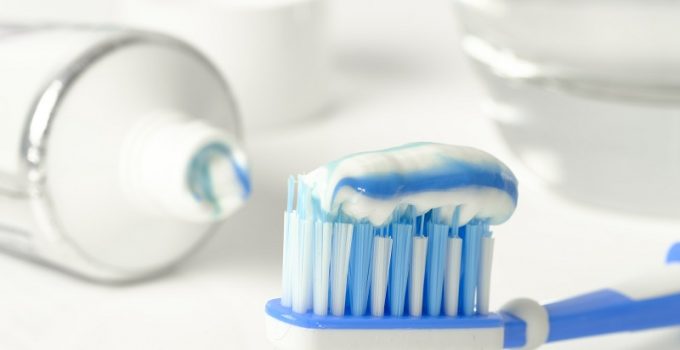
Between the thousands of brands, different flavors, and claims it is no surprise that people can have a difficult time when choosing a toothpaste. Even some dental professionals admit that it can take time to differentiate between brands and types. If you are undergoing orthodontic treatment, it can make the decision even more daunting. To help you we’ve compiled the ultimate toothpaste buying guide to keep your smile healthy and happy.

Common Ingredients

Though there are many forms and types of toothpaste on the market, there are some common ingredients shared by most varieties.

  • Abrasive Agents – These are scratchy particles that work to remove food, bacteria, and minimal stains from the surface of your teeth while you brush. Calcium carbonate is the most common abrasive substance used in toothpaste.
  • Flavoring – Artificial sweeteners are added to make toothpaste taste better. Though many of us associate the flavor of toothpaste with mint, there are many other flavor options on the market such as cinnamon, lemon-lime, and bubblegum.
  • Humectants – Moisturizing agents are used to keep pastes and gels from drying out. The most commonly used humectant for toothpaste is glycerol.
  • Thickening Agents – These agents help to give toothpaste that distinctive consistency and texture that we are used to in our toothpaste.
  • Detergent – Detergents are used to create suds or foams while you brush your teeth. The most commonly used agent for detergents in toothpaste is sodium lauryl sulfate.

Types of Toothpaste

Toothpaste comes in gel, paste, and powdered forms. When it comes to selecting the form of your toothpaste, it is a matter of preference. There are many types of toothpaste on the market and while some may target specific oral concerns, others may cover a variety. Some of the common types of toothpaste include:

  • Fluoride- Fluoride is a naturally occurring mineral that has proven instrumental in reducing tooth decay and preventing cavities dramatically over the last 50 years. Toothpaste that contains fluoride works to strengthen your enamel to prevent acidic damage and also reverses early signs of decay by remineralizing the surface of your teeth. Anti-cavity toothpaste contains higher levels of fluoride than standard options.
  • Tartar-Control- Everyone has bacteria on their teeth known as plaque which can be removed with good oral hygiene habits such as daily brushing and flossing. However, when plaque is left alone, it can harden and form into tartar, which can only be removed by a dental professional during a cleaning. Tartar-control toothpaste is formulated to reduce the number of bacteria in your mouth using chemical compounds such as zinc citrate, thus preventing the buildup of plaque and decreasing the formation of tartar more effectively than other toothpaste.
  • Tooth Sensitivity- Tooth sensitivity occurs when your enamel is damaged and the second layer of your teeth, dentin, is exposed. Specific compounds, such as potassium nitrate or strontium chloride, desensitize nerve endings in your teeth to offer relief and add a protective layer to the exposed areas.
  • Whitening – Having a whiter smile is a common goal for many people. Whitening toothpaste does not typically use bleach but may contain more abrasive particles or chemicals to polish or remove stains from the surface of your teeth. It is important to discuss whitening toothpaste with your dentist as some can do more harm than good as the use of whitening toothpaste can increase your risk for developing tooth sensitivity. Depending on your goals, you may need professional treatment to achieve your desired results.

Brushing with Orthodontics

Toothpaste that contains fluoride is recommended for all patients as fluoride works to reduce tooth decay and protect your enamel from erosion.

If you are straightening your teeth with Invisalign, then your oral hygiene routine can stay the same and your options are endless. For patients who have other forms of orthodontic appliances such as braces, you may need to work a little harder to maintain a clean, cavity-free smile. As always, we suggest a fluoride option, but using tartar-control toothpaste can also help to reduce plaque buildup in those hard to reach areas.

We advise our patients to avoid using whitening toothpaste or products while receiving orthodontic treatment, as these products will only whiten visible areas and may leave patients with uneven colored teeth once your braces are removed.

For more information on which toothpaste to select or how your toothpaste can affect your smile with orthodontic treatment, contact Rockland Orthodontics today.

Toothpaste and Orthodontics Read More »

Malocclusions

You’ve probably heard of overbites, crooked teeth, or underbites whether you know someone who has one of these conditions or if you’ve experienced one yourself. These conditions are considered different types of malocclusions, which is the official term for mismatched teeth or jaw issues caused by misalignments with your bite. Roughly 2/3 adults have some degree of malocclusion as very few people have perfectly aligned teeth. While some cases do not require significant treatment or treatment at all, we want to educate you on this common orthodontic occurrence and give a brief guide to malocclusions.

What is malocclusion?

Occlusion refers to the meeting of your teeth, or the actual contact of your teeth in your upper and lower jaws. Your teeth should fit easily and comfortably within your mouth without crowding, gaps, or any teeth that may be rotated or twisted. There should be a slight overlap of your upper jaw on your lower jaw so that your molars can fit into the grooves of their opposite molars.

Malocclusion refers to any deviation from the ideal occlusion. Most people have a malocclusion to some degree, but often it is so minor that treatment is not necessary unless for aesthetic reasons. There are three main categories of malocclusions:

Class 1 – This is the most common type of malocclusion where the bite is normal, but there may be a slight overlap.

Class 2 – Commonly referred to as an overbite where a severe overlap is present, meaning the upper teeth and jaw significantly protrude over the lower jaw and teeth.

Class 3 – More commonly known as an underbite, this class refers to cases where the lower jaw juts out causing the lower teeth to overlap the upper jaw and teeth.

The types of malocclusion can vary, but any type can cause issues for a patient. Common types of malocclusions include:

Crossbite – When the upper teeth bite down inside the lower teeth. It can occur on one side or both and may involve either the front or back teeth.

Open bite – When the front teeth do not overlap with the lower teeth or jaw when the mouth is closed there is a space between the top and bottom teeth.

Overbite – A severe overlap of the lower front teeth. In severe cases, the front teeth may hit the gums when a person bites their teeth together.

Overcrowding – Often caused by a lack of space resulting in teeth that overlap or become crooked, rotated, or twisted.

Overjet – Similar to an overbite, but occurs when the top teeth extend beyond the bottom teeth horizontally.

Spacing – Spaces that occur between two or more teeth

Underbite– An underbite is an anterior crossbite that occurs with the front teeth. When the mouth is closed the lower teeth protrude forward of the top teeth.

Symptoms

Symptoms of malocclusions vary depending on the classification, type, severity, and patient but common symptoms include:

  • Misaligned teeth
  • Abnormal signs of wear on teeth
  • Difficulty chewing or biting
  • Alteration in facial features
  • Frequent biting inside of the cheek or tongue
  • Headaches
  • Tooth grinding
  • Neck, shoulder, and upper back pain
  • Speech complications
  • Mouth, teeth, or jaw pain
  • Breathing through the mouth rather than the nose

Cause

There is no single direct cause for all malocclusions. The majority of the time it is heredity due to a size difference in the upper or lower jaw or jaw shape. Sometimes certain birth defects such as cleft lips or cleft palates can lead to the development of malocclusions.

It can also be acquired from childhood habits such as thumb sucking, pacifier usage, or bottle feeding beyond the age of three. Children who have little space between their baby teeth are likely to experience overcrowding with their permanent teeth which can result in malocclusions.

Other causes for malocclusion include abnormally shaped teeth or bite patterns, presence of extra teeth, loss of teeth due to injury or accident, or impacted teeth. Malocclusions may also occur due to poor dental care such as poorly-fitted crowns or other dental/orthodontic appliances. Medical conditions such as allergies or enlarged adenoids or tonsils may also lead to airway obstructions and could create a degree of malocclusion.

Diagnosis

Malocclusions are often diagnosed during routine dental exams. If suspected, x-rays, photographs, and molds are taken and often given to an orthodontist to study and confirm.

Treatment

If a malocclusion is confirmed, an orthodontist will handle treatment in most cases. Treatment varies depending on the type of malocclusion and is determined on an individual basis. Several factors are considered including age, medical history, overall health, and the severity of the malocclusion.

Common types of malocclusion treatments may include but are not limited to:

  • Orthodontic appliances such as braces, aligners, or retainers to correct the position of teeth
  • Extraction of teeth to alleviate overcrowding
  • Capping, bonding, or reshaping of teeth
  • A palatal expander can be used in younger patients to widen the jaw
  • Plates and wires may be used to help stabilize the jaw

In severe cases, surgery may be needed and you may need to be referred to a maxillofacial surgeon or oral surgeon.

If not treated, the malocclusion may worsen over time and become more pronounced. Depending on the type of malocclusion, it may become difficult for you to clean your teeth and gums which can put you at risk for tooth decay, gum disease, and even tooth loss.

For more information on malocclusion and treatment options or to schedule a consultation, please contact Rockland Orthodontics today.

Malocclusions Read More »

What do TMJ and TMD mean?

Medical terms can be confusing and overwhelming for some patients and even medical professionals from time to time. You may have heard your friends and family describing their diagnosis of TMJ, with symptoms of a clicking jaw or earaches, while others refer to it by a different name, TMD. Though these terms can sound the same, they refer to different conditions and we are here to offer you a better understanding of what TMJ and TMD are and how they may affect you.

TMJ and TMD

TMJ is an abbreviation for the temporomandibular joint which connects the mandibular, or your lower jaw, to the temporal bones of the skull. The TMJ is one of the more unique joints within your body as it allows you to move your jaw forward, backward, and side to side so that you can chew, talk, sing, yawn, and more. This joint can be found just in front of your ears on both sides of your head.

Any problem with the muscles, ligaments, discs, bones, or the joint itself are known as temporomandibular disorders or TMD and refers to the actual disorder, where the jaw joint is misaligned and causing problems such as pain, inflammation, and inability to move or operate the jaw. However, these problems or conditions are often incorrectly called by the joint name of TMJ instead.

What are the causes of TMD?

There can be a variety of causes for TMD and can arise from problems with the jaw, the muscles near the jaw, or the joint itself. If you notice some of these symptoms, it is important to see your doctor who may refer you to a specialist to determine the cause of the oral problem. Some common causes for TMD include:

  • Injury to the joint, jaw, or muscles along your neck and face
  • Whiplash
  • Grinding or clenching your teeth which puts pressure on the joint
  • Movement or dislocation of the soft cushion, or disc, between the joint parts
  • Arthritis of the joint
  • Stress, which can cause you to tighten facial or jaw muscles
  • Tooth/jaw misalignment

Signs & Symptoms

Patients with TMD often experience severe pain and discomfort that can be temporary or chronic. Symptoms depend on the severity and cause of your condition and can show on one side or both. There are many signs and symptoms of TMD that can overlap with other conditions, which makes a diagnosis by your doctor all the more important.

Some of the most common symptoms of TMD include:

  • Pain in the face, jaw, or ear area
  • Headaches
  • Earaches
  • Pain or pressure around the ears, face, and behind the eyes
  • A clicking or popping sound when opening or closing the mouth
  • Dislocation of jaw
  • Locked, stiff, or stuck jaw
  • Tenderness of jaw muscles
  • Limited jaw movement
  • Swelling of the face
  • Dental occlusion (the way the upper or lower jaw/teeth fit together)

Diagnosis

As stated above, many of the symptoms of TMD can overlap with other conditions such as tooth decay, gum disease, sinus problems, or arthritis. To determine the cause, your orthodontist will conduct a physical examination and medical history review.

During your appointment, your jaw will be tested for pain or tenderness, and your doctor will examine how your jaw works when you open and close it while listening for clicks, pops, or sounds when you operate your jaw. Your bite and facial muscles will also be tested. It is not uncommon for x-rays, MRIs, and CT scans to be required to determine the cause as these images can provide insight into the joint, surrounding tissues, and structures of your jaw. Depending on the diagnosis, you may need to be referred to another doctor or specialist for further evaluation and treatment.

Treatment

Several different treatment options are available depending on your condition and the severity of your symptoms. In most mild cases TMD can be treated with self-care practices at home. Home methods include:

  • Taking over-the-counter medication to relieve muscle pain and swelling
  • Using moist heat or cold packs
  • Eating soft foods or cutting your food into smaller pieces so you chew less.
  • Avoiding hard, crunchy, or chewy foods
  • Limiting extreme jaw movements that force you to open your jaw wide
  • Reducing stress levels
  • Performing jaw stretching exercises

If your symptoms do not improve with these home remedies or if your case is more complex, your doctor may prescribe pain medication, anti-inflammatory medicine, muscle relaxants, or even Botox to reduce tension in muscles and nerves. Your doctor may also provide you with custom made bite guards or splints to prevent clenching or grinding of your teeth.

Other treatment options may include low-level laser therapy, ultrasound therapy, or low-level electrical stimulation to provide muscle relief. If misaligned teeth or bite is the cause, corrective dental treatment may be necessary. In extreme cases, surgery can help to remove fluid or debris from the jaw or replace/realign the joint.

Every case is unique, and a careful diagnosis and treatment plan will help to address your needs. If you have any questions about TMD or your temporomandibular joint, please contact Rockland Orthodontics today so that we can help.

What do TMJ and TMD mean? Read More »

Skip to content