Rockland Orthodontics

Uncategorized

5 Myths About Orthodontic Treatments

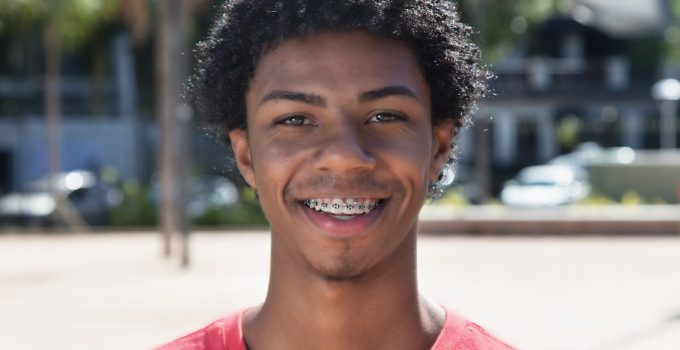
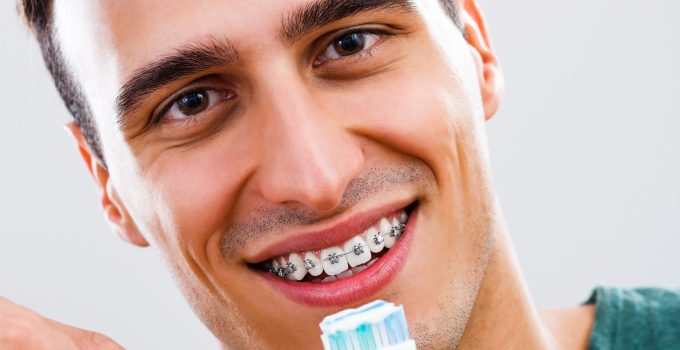
Orthodontics is one of the most misunderstood dental industries there is right now. When people think of orthodontists, they immediately imagine teenagers with metal braces. This vision of what orthodontists provide is highly limited. There’s so much more involved with orthodontic treatment, and we want to take this opportunity to debunk some of its biggest myths!

1. Orthodontic Treatments Are Meant for Children

Orthodontic treatment is not only for children. All ages benefit from the services of an orthodontist. According to the American Association of Orthodontists, adults are seeking orthodontic treatment in record numbers. In fact, one of every five patients in orthodontic treatment is older than 21. That’s more than 1.5 million adults receiving care by an AAO-certified orthodontist each year. Whenever anyone says that they can’t go to an orthodontist because they are too old, let them know that they can absolutely make an appointment for their orthodontic needs.

2. All Orthodontics Is Cosmetic

People often believe that orthodontic treatments are just for cosmetic purposes. Yes, braces align the teeth, but they do a lot more than make a smile look better. Braces can provide a lot of oral benefits, such as making it easier for people to brush and floss, reducing the chances of cavities and periodontal disease, alleviating speech impairments and more.

Braces are also not the only services orthodontists offer that improve oral health. They also help people with TMJ disorder, jaw bone abnormalities, and over or underbites. If these situations are not taken care of when people are children or teenagers, they can seek treatment as adults.

3. Orthodontic Treatments Take Years to Complete

This is simply not always true. Depending on the treatment needed and the condition of the teeth and mouth, it can take as little as 12 months for people to achieve their results. For more severe cases, it may take 3 years, but again, that’s when the teeth, jaw, etc. need a lot of work.

To know how long your orthodontic treatment will take, contact an orthodontist. Your orthodontist will perform a thorough examination and provide a timeline for the treatment process.

4. Orthodontics Does Not Require Office Visits

With the prevalence of online orthodontics, that promote less-expensive dental work without visiting a doctor’s office, many people believe they can get the results they want without stepping inside of an orthodontist’s office. Unfortunately, this is not always true, and it has caused a lot of people pain and suffering.

It is crucial for people to see an orthodontist for care. A lot goes into improving the appearance and functioning of the mouth, and all of it has to be taken into account before treatment can begin. Monitoring treatment throughout the orthodontics process is crucial to ensure that you get the results that you want.

5. Orthodontics = Metal Braces

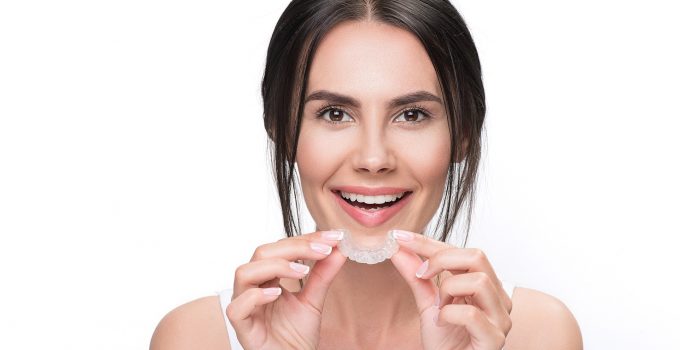
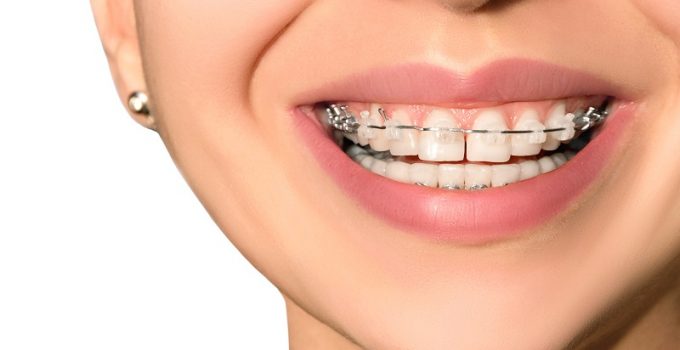
Metal braces are still available, of course, but they aren’t the only types of braces orthodontists offer. Braces can now be ceramic, lingual, self-ligating, and clear. The type of braces you decide to have depends on your goals and what makes you feel more comfortable.

Contact an Orthodontist in New City

If you’re interested in seeing an orthodontist in New City or if you have any questions about orthodontic care, contact Rockland Orthodontics. Our orthodontist is highly experienced and welcomes patients of all ages who wish to improve their oral beauty and health.

5 Myths About Orthodontic Treatments Read More »
Maintain Straight Teeth After Braces

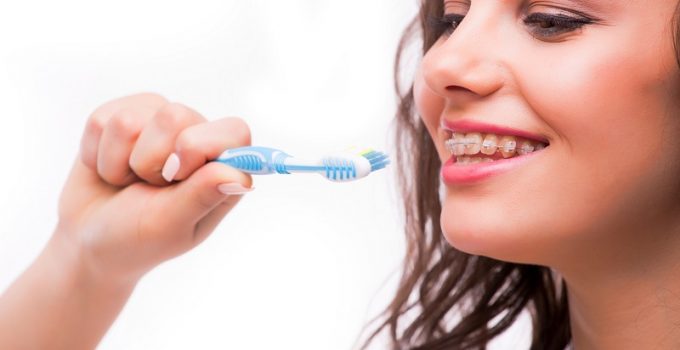
Most people think that after their orthodontic treatment, they can move on in life with a straight smile forever. While this can be true, there are something things you need to remember after treatment.

Teeth Can Shift After Braces

Teeth aren’t permanently attached to your mouth with braces. They are simply guided in a way to make them straight. When braces are removed, the teeth no longer have that barrier. This can lead to shifting. Often times, they do not shift enough to be noticeable. However, there are some situations that could occur that could turn straight teeth into crooked teeth.

Teeth Grinding and Clenching – This is an oral condition called Bruxism. Many people who become stressed will either grind their top and bottom teeth or clench them together tightly. The act of grinding and clenching can recede the gums. With less gum tissue, teeth aren’t as secure as they were before, so they can move easily.

Tooth Loss – When someone loses a tooth, the teeth around it will start to move towards the opening. The only way to prevent this from happening is to have a dentist make a partial denture or put in a dental implant.

Wisdom Teeth – Most people have their wisdom teeth extracted during adolescence because the new teeth can push the other teeth. Anyone who has braces before wisdom teeth appear needs to keep an eye on them to have them extracted as soon as they pose a threat to other teeth.

Gum Disease – This is also known as periodontal disease. It can affect the teeth, gums, and jaw bone. Over time, teeth lose their foundation in the gums. This can cause them to easily move ruining a straight smile.

Protecting Straight Teeth after Braces

Braces are an investment. You can make that investment last longer simply by doing the following.

  • Wear a retainer. The retainer will keep your teeth from shifting. Wear it as recommended by your orthodontist.
  • Keep regular appointments with your dentist. You should see a dentist every six months. The dentist will be able to look out for signs of wisdom teeth coming through and gum disease. If either of those situations happen, the dentist can recommend next steps to ensure your teeth remain straight.
  • Wear a mouthguard if you suffer from bruxism. If you grind or clench your teeth, wear a mouthguard at night. A dentist can have one made for you that fits your mouth, making it more comfortable.
  • Practice good oral hygiene. Remember to brush and floss your teeth three times a day after meals. This will keep your teeth and gums healthy and strong.

If you ever see changes in your smile, don’t wait to contact an orthodontist to see what can be done. It’s easier and takes less time to straighten teeth that are only mildly crooked.

Contact Our Orthodontist in High Point, NC

The Orthodontic Office of Rockland Orthodontics specializes in helping people achieve straight teeth and a beautiful smile. For more information on how you can maintain straight teeth after braces or schedule an orthodontic consultation, contact us at (845) 352-0520.

Maintain Straight Teeth After Braces Read More »

Age 7: The Magic Number For An Orthodontic Consultation

Do you remember how old you were the first time you went to the Orthodontist? Was it after your adult teeth grew in? Or before? Maybe it was not until you were a teenager in need of braces.

Some parents may be surprised to learn that the American Association of Orthodontists (AAO) recommends that all children see an orthodontist by the age of seven at the latest—earlier if they show signs of any orthodontic problems.

Interceptive Treatments

Why is seven the magic number for a child to see the orthodontist? How much good will the visit do if they do not have any of their permanent teeth in? A lot of good, actually.

While most orthodontic treatments are conducted on adult teeth, having the chance to look at child’s mouth while they still have baby teeth gives the orthodontist a chance for what is called “interceptive treatment.” This is where an orthodontist recognizes a potential issue early on, before baby teeth have fallen out, and takes early actions to prevent further issues down the road.

Seven years old is the perfect time for this interceptive treatment because the transition period from baby to permanent teeth has just begun at this point for most children.

By examining your child’s teeth at age seven, an orthodontist can check to see if there are any potential issues that might impact the growth of permanent teeth. Then your orthodontist will be able to provide early advisement or even conduct early treatments to prevent worse issues in the future.

What Can Orthodontists Treat at that Age?

A few things that an orthodontist may be able begin treatment for children while they still have their baby teeth include:

  • Underbite or crossbite
  • Overly crowded teeth
  • Teeth that are spaced too far apart
  • Extra or missing teeth
  • Teeth that do not come into proper contact when biting
  • Any negative impacts from thumb, finger, or pacifier sucking

If the orthodontist sees any potential issues during the visit, identifying them early will allow time for follow-ups and prevention. Waiting too long for a child to see the orthodontist, such as after all their adult teeth have come in, can make correction of issues more difficult.

As with any medical issue, early recognition is hugely beneficial, so make sure to bring your child in by age seven at the latest even if they do not show any obvious signs of orthodontic issues. Lastly, if children have any teeth problems before the magic seven years old, book an appointment at Rockland Orthodontics today regardless of age!

Age 7: The Magic Number For An Orthodontic Consultation Read More »

Holiday Dessert Dos and Don’ts for Braces, Plus Great Alternative Options!

Those with braces are all-too-familiar with the precautions that must be taken before delving into a delicious meal. A holiday buffet packed with candies, cakes, and pies may look delicious, but for those with braces, it can pose a variety of concerns.

What’s safe for my braces?
Will this caramel break a wire or bracket?
How easy will this be to clean out of my teeth later?

The struggle this time of year is real.

But don’t worry. We’re here to help you navigate the holiday dessert table without any oral casualties. Plus, we’ve got some great alternative, braces-friendly foods to satisfy your sweet tooth at any holiday party.

Hard Pass On The Hard Nuts For Holiday Dessert

Most nuts and seeds are a no-go since they are small enough to lodge themselves in the hard-to-reach places of your mouth. They are also hard enough to bend wires, break brackets, and just all around wreak havoc on your mouth gear.

What To Eat Instead

If you’re craving a crunchy, salty snack, opt for crackers or corn chips with dip instead. Tortillas and a good dip are a hard combo to beat, and are still soft enough to work well with your braces. These foods are also much easier to clean out of your mouth afterwards. Another good option is to grind up nuts into paste or butter (e.g. Instead of peanuts, go for peanut butter––just be sure to avoid getting it stuck in your braces while snacking).

Avoid Sticky Situations

Sticky foods like caramel and toffee can easily damage your braces and are a pain to clean out of your mouth. They also remain stuck in your braces unless properly cleaned and can lead to other issues.

While we’re on the topic, sugary foods—while bad in general for your teeth—are extra bad for braces since they can leave discoloration marks, or even decay, after you have your gear removed unless you clean your teeth quickly and properly every time right after eating.

What To Eat Instead

When you’re browsing the dessert table for something sweet, skip the caramel and go for softer ice cream instead. If you want chocolate, avoid stuff like nougat and go for something that’s going to melt in your mouth instead of stuff that’ll get stuck in your brackets or wires.

If you can’t turn down a hard candy like peppermint, then suck on it instead of biting it. Not only will the candy last longer, but so will your pearly whites.

When it comes to sugar in general, it’s best to just avoid it. However, we all know how hard it can be to follow that advice once the warm brownies à la mode come out. So here’s a more realistic tip. Try to rinse your mouth out or drink plenty of water (maybe swish it around in your mouth a little before swallowing) as soon as possible after you eat anything sugary. This will help to keep the sugar off your teeth and preserve your enamel. Plus, water is good for you so…win-win.

Fruits Can Be Berry Bad Too

Lastly, let’s talk about fruits. Pretty much anything that’s hard or crunchy is going to be risky for your braces, including fruit. It’s a double no if that fruit is stringy or has hard seeds that might get lodged in your mouth. These foods include apples, cherries, raspberries, etc.

What To Eat Instead

If you’re considering the raspberry pie full of seeds, go for the seed-free raspberry cheesecake. Craving strawberries? Try the strawberry cheesecake! In fact, there’s probably a cheesecake or option for any seedy, sticky, or stringy fruit dessert out there. Just remember to drink plenty of water afterwards to rinse the sugar from your teeth!

And there you have it! Follow these tips and more from Rockland Orthodontics to make this holiday (and every other day) a healthy one! Be sure to always take proper care of your braces, even in sticky situations.

Holiday Dessert Dos and Don’ts for Braces, Plus Great Alternative Options! Read More »

Eating Thanksgiving Dinner with Braces

Thanksgiving is a day of friends, family, and food! Those of us who enjoy a good meal get especially excited for this holiday, but when one has braces, feasting festivities become much more daunting! You need to do everything you can in order to take good care of your braces, which may require some pre-Thanksgiving planning.

What Foods Should You Eat While Wearing Braces?

While you have your braces on, there are still a lot of foods that you can eat without a problem. In fact, many of the most popular Thanksgiving foods can still be enjoyed. You can comfortably eat jello salad, turkey or ham removed from the bone, stuffing, green beans, sweet potatoes, yams, pies that have a soft filling, steamed veggies, and so on.
Even if you might not be a fan of all of these foods, it’s still nice to have so many options, even with braces! However, you do need to protect your braces as much as possible, so clean your teeth and remove any meat or veggies that get stuck in your braces after eating.

What Foods Should You Avoid While Wearing Braces?

As we mentioned earlier, there are also some foods that aren’t exactly the best option for you to indulge in if you have braces. These include popcorn, crispy potato dishes, pies that have crunchy items, foods with nuts, caramel as well as raw carrots and raw apples, corn on the cob, and any food with crunchy or sticky ingredients.
Basically everything that’s crunchy should be avoided. The last thing you want is to damage your braces or teeth during the holidays. Ask ahead about which dishes your family is planning on serving and figure out which ones you will not be able to eat ahead of time.

Remember to floss and brush after every meal. Even though braces can be more difficult to keep clean, you still have to focus on keeping great oral hygiene if you want to stay healthy in the long run. Even if it does take time from your schedule, dental care is very important.

So, should you be worried that you won’t be able to eat anything during the Thanksgiving meal if you have braces? Not at all! That being said, if something were to go wrong the team at Rockland Orthodontics is always here to help. If you keep these precautions in mind, you’ll be able to have a great Thanksgiving day without any worries. Having healthy teeth is something you’ll always be thankful for in the long run!

Eating Thanksgiving Dinner with Braces Read More »

Halloween Candy to Avoid If You Have Braces

It’s important to treat your braces with care in order for your treatment to go smoothly and to avoid problems in the long run. Halloween is a fun holiday that comes with an excuse to indulge in some candy––what more could you want? However, it’s important to keep in mind that with braces, some candies should be avoided. If you are a parent and your child has braces, make sure to supervise any candy eating and remind children that some candies are off-limits.

Most of us already know that sugar is bad for our teeth, but some might not know that certain kinds of candies pose an extra risk to those with braces. For example, chewy treats such as M&Ms and Skittles can break the brackets of one’s braces. Additionally, caramels are prone to getting stuck in your braces. Hard candies are fine to suck on but should not be bitten.

Halloween candies are not made with dental health in mind. They contain high amounts of sugar, as well as artificial colors and flavors. Many of us choose to indulge in them anyway, but if you have braces, it’s important to be aware of the risks of certain candies. Sugary candy that gets stuck in your braces will leave you prone to cavities. Many of these candies don’t easily dissolve in the mouth. Instead, they stick to the teeth or get stuck underneath the wires or around the brackets of braces.

The good news is that you can still enjoy trick or treating if you become a little selective about what you’re eating after. Even though all candies look the same, their manufacturing properties aren’t. If you’re wearing braces and you choose to go with sticky, chewy, or hard candies, it may cause pain or even damage to your braces. The best choice for you is to go with softer and candies that can easily be chewed and dissolved inside the mouth. If you have the option to go with sugar free candies.

If you don’t want to suffer from broken brackets or bent wires, you can choose other sweet treats, such as ice cream, peppermint patties, softer chocolate bars, milkshakes, and gelatin treats. Cookies and cream are also approved for people with braces by the American Association of Orthodontists. .

If you are a concerned parent and still want your children to enjoy the Halloween season, all you have to do is supervise their candy supply.

If you have any other questions about which sweet treats are okay to eat, please reach out to us. Also, schedule an appointment at Rockland Orthodontics today to ensure that your orthodontic treatment is right on track!

Halloween Candy to Avoid If You Have Braces Read More »

How are Metal and Ceramic Braces Different?

Getting braces is a major orthodontic procedure. For many, they are necessary in order to straighten their teeth and make for a great smile. However, it can be a challenge to decide what type of braces to get––metal braces or ceramic braces. While both serve the same purpose and have the same goal, there are a variety of differences that may cause you to go with one over the other. Read on for more information on ceramic and metal braces to help you determine what will work best.

Metal Braces

Metal braces are the most popular and most commonly used style of braces. They are made of stainless-steel brackets which are held together with metal wire and small rubber bands. Metal braces are strong, durable, and highly effective in straightening teeth and correcting bite formation. Metal braces have been a mainstay in oral health for over 100 years;they are both reliable and effective. However, today’s braces are smaller and far more complex than the models that were used in the early 20th century.

Ceramic Braces

Ceramic braces are built in the same way as metal braces, but they are made out of porcelain rather than stainless steel. This is generally so that they can be made to match the color of the
wearer’s teeth. White wires and clear brackets are generally used in conjunction with ceramic braces in order to give a minimal and sometimes nearly-invisible appearance. Ceramic braces perform the same job that metal braces do, but they sometimes must be worn for longer as they are not as strong and suffer from additional friction throughout the treatment.

Benefits of Metal Braces

As mentioned, metal braces tend to be stronger because of their material. They are also usually a bit cheaper than their ceramic counterparts. They will work faster, which will allow you to finish treatment as quickly as 6 months, depending upon the severity of your condition. Because they are so sturdy, many people opt for metal braces in order to guarantee that their treatment will be quick and effective.

Benefits of Ceramic Braces

Ceramic braces provide a far more desirable aesthetic than metal braces. If you are self-conscious about your appearance, you may decide to go with ceramic braces to minimize their conspicuousness. You can customize the color of the ceramic to match your teeth, making them look as natural as possible. Ceramic braces might also be necessary for those who have a metal allergy that renders them unable to wear metal braces.

Which Braces Should You Get?

Whether you opt for metal or ceramic braces usually comes down to personal preference and financial plausibility. Many adults go with ceramic braces because they can afford to and because they don’t want to have the appearance of metal braces. However, some people trust the durability of metal braces and choose them, knowing that their treatment will be quicker.

Please contact Rockland Orthodontics today to schedule an appointment!

How are Metal and Ceramic Braces Different? Read More »

Guide To Flossing And Maintaining Oral Hygiene With Braces

Most people are aware of the importance of oral hygiene. Maintaining careful and consistent oral hygiene becomes absolutely necessary when a person has braces.

Inadequate brushing and flossing may cause white and yellow spots to develop on the teeth. This discoloration may negatively affect the overall appearance of one’s smile, which counteracts the braces’ ability to make your smile straighter and nicer.

To ensure that you have a healthy smile after your braces are removed, make sure to take care of your teeth during the process.

Here are a few ways you can maintain oral hygiene with braces:

  • Brushing Frequently – When a person eats with braces, there is always a chance that food will get stuck in their braces. Therefore, a person with braces needs to brush as soon as they are done eating. Usually, this means brushing at least three times a day. Brushing frequently should be made into a habit with braces in order to avoid cavities. Use fluoride toothpaste and replace your brush often, as the bristles tend to wear down more quickly with braces.
  • Interdental Brushes – These are small brushes which help to reach every nook and cranny of your teeth and other oral appliances. They help to remove large pieces of rubbish and food from your teeth. Use interdental brushes before you use a normal brush.
  • Flossing – Flossing dislodges the food stuck between your teeth and helps to remove harmful plaque. It may be difficult to floss with braces.
  • Mouthwash – Rinse your mouth with water or a strong mouthwash to help kill the bacteria and remove the biofilm from your tongue.

Flossing With Braces

How do you floss when the string always gets stuck in the brace wire? Here are two options that will allow you to do so easily:

  • Traditional flossing with a waxed floss. Take the floss and thread it between the braces’ wire and your teeth in a U shape. Press the floss between your index finger and start moving it up and down gently so as to prevent the floss from getting caught in the wire. For the top teeth, floss in an upside down U shape. Floss up to the gum line. Slowly and gently remove the floss. Repeat the process on your bottom teeth.
  • Waterpik flossing. With a waterpik, you can floss much more quickly. Fill the water reservoir with water. Take the tapered tip and insert it into the water. Press it to make sure that the water goes through the flosser. Place the flosser in your mouth and turn the water flosser on. Allow the water to gently drain from your mouth. Do not spit all of it out at once. Carefully guide the water stream back and forth across your gum line and between your teeth.
  • You can even use dental tape or a floss threader, both of which are much more affordable

Keeping your oral hygiene in check while having braces is crucial so as to prevent any further problems from arising. By using these tips, you will help to ensure that your post-braces smile is as good as can be!

Make an appointment at Rockland Orthodontics to check up on your braces and to ask your orthodontist for more ways to make sure that your treatment goes as smoothly as possible!

Guide To Flossing And Maintaining Oral Hygiene With Braces Read More »

Foods to Eat After Getting Braces Tightened

Those who have braces are aware of the importance of getting them tightened. It keeps teeth moving in the right direction towards a straight smile. However, most know if you are getting your braces tightened, it is likely that you will face discomfort in the next few days. You may also face difficulty in chewing foods. There are different procedures that Rockland Orthodontics may recommend you to reduce the discomfort. Some of them include using painkillers or oral anesthetics.

The discomfort caused by braces tightening can last up to eight weeks. There are certain food that you can use can eat to reduce the discomfort.

Food Products To Eat After Getting Braces Tightened

It is strongly recommended for people who have gotten their braces tightened, even if they are not facing any discomfort, to opt for soft food products for a certain period of time. These products are easy to chew, swallow, and digest. Therefore, no more discomfort will be caused.

These food products include:

  • soups
  • eggs
  • yogurt
  • oatmeal
  • smoothies
  • mashed potatoes
  • noodles
  • rice
  • tortillas
  • bananas

Food Products to Avoid After Getting Braces Tightened

After you have got your braces tightened, there are certain food products that you need to stay away from. These are generally hard to chew items that can further increase the discomfort caused by the tightened braces.

These food products include:

  • nuts
  • chewy candies
  • hard vegetables and fruits (apples, carrots, etc.)
  • beef jerky
  • nuts
  • granola
  • chips
  • tough meats

Consequences of Not Eating the Right Food Products

Consequences of not eating the right food products after getting your braces tightened can prove to be painful for you. The result can be a toothache or even gum diseases. For example, if you eating hard or chewy gums, it may result in sugar settling in those areas of our teeth that are difficult to reach for cleaning purposes. Thus, there are chances of tooth decay.

In addition to that, some hard food products may end up damaging your braces as well. Due to this reason, you may have to pay another visit to your orthodontist and get new ones.

A Final Word

For a better oral health, following the above-explained guide of food products to eat and avoid after getting braces tightened is important. It will not only help you to avoid discomfort but painful conditions as well. Therefore, make sure you are eating only soft products for a certain period of time after getting your braces tightened, it will help you to have an overall improved oral health.

If the discomfort doesn’t go after a specific period of time, it is advised to schedule an appointment with Rockland Orthodontics and discuss in detail the issues you are facing. We are here to help!

Foods to Eat After Getting Braces Tightened Read More »

How Can Widely Spaced Teeth Impact Your Overall Health

Most people visit the orthodontist or dentist to get rid of the gap and achieve a perfect smile. But what they might not realize, is that widely spaced teeth impact your physical health as well. Yes, self-confidence and self-esteem issues can be a problem associated with widely spaced teeth but they can also negatively impact your health if you don’t take proper care.

Widely spaced teeth have many causes.

It can be genetic or it can be developed over time during childhood. It can even happen in adults, but it is more commonly seen to be developed during childhood. Oral habits such as thrusting your tongue between your teeth can cause spacing. Or it can be the result of the jaw being significantly larger than average and the teeth, trying to cover up the area, develop space between themselves.

Oral hygiene is a main issue with widely spaced teeth. It may seem as though it is easy to clean between the gaps but this is false. Food tends to get stuck between those gaps and the bacteria has access to your gums and teeth. It becomes a breeding ground for plaque. This may cause your gums and teeth to weaken and diseases, such as gingivitis or periodontitis, to be caused. If the plaque is not taken care of early, your teeth may begin to decay. But an even bigger issue is the that oral diseases, such as periodontitis, can lead to more serious complications like heart diseases.

It is also difficult to floss teeth with wide spaces because you have to be very attentive when doing so, in case you scrape of your gums.

Another cause of widely spaced teeth is a misaligned bite. This may cause the teeth to move and shift out of place. People with misaligned teeth may experience extreme pain in the jaw, forehead and ear. Even chewing food can become difficult and painful. Your teeth may tend to hit with more force and this may cause them to break into tiny pieces or become chipped.

Gaps between teeth may cause chewing to become a problem which can lead to swallowing huge chunks of food, making digestive problems.

Gaps between teeth may also cause you to develop bad breath, yellow teeth, bleeding gums and pain in the gums. Traditional metal braces or Invisalign clear liners makes it possible to correct the gaps between the teeth without anyone noticing that you have something inside your mouth. To learn more about correcting widely spaced teeth contact Rockland Orthodontics and make an appointment today!

How Can Widely Spaced Teeth Impact Your Overall Health Read More »

Skip to content