Rockland Orthodontics

Uncategorized

Clear Aligner Therapy

Do you have crooked or crowded teeth, or perhaps an overbite but don’t want to wear braces? Clear aligner therapy might be the right solution for you. Similar to traditional braces, clear aligner therapy works to gradually move teeth discreetly with virtually invisible appliances.

What is clear aligner therapy?

Clear aligner therapy refers to an orthodontic alternative to traditional braces where the patient wears a series of custom-made clear plastic aligners that gently and gradually move their teeth into proper alignment. The goal of clear aligner therapy is to help the patient achieve a healthy bite where the top and bottom teeth properly align, function, and fit together.

Clear aligners are great for those who have crooked teeth, crowded teeth, gaps, overbites, underbites, open bite, or even crossbites. However, it is important to note that even though clear aligners can treat a variety of orthodontic conditions, it may not be the best treatment option for everyone.

There are many orthodontic teeth-straightening treatments available. The most recognized is traditional metal braces that use wires and brackets to move your teeth. Traditional braces can be painful, uncomfortable, and put limitations on diet, which makes clear aligners an appealing alternative to many patients.

Some of the benefits of clear aligner therapy include:

  • They are custom made to fit the patient’s teeth
  • They are removable
  • They are easier to keep teeth and gums clean and healthy
  • They are clear and discreet
  • They are less likely to irritate your gums and cheeks
  • They can help prevent wear on teeth from tooth grinding

How does it work?

Clear aligners work like any other orthodontic appliance where pressure is applied to the teeth, gradually moving them and reshaping the supporting soft tissue and bones.

An orthodontist will conduct a full dental exam of the patient’s mouth to assess the most appropriate treatment option. This exam may include digital scans, photographs, impressions, and x-rays. After the orthodontist concludes that clear aligner therapy is a suitable option, a series of clear plastic aligners are created specifically for the patient’s dental goals and lifestyle needs.

The aligners apply gentle pressure to the periodontal ligaments that surround each tooth, and as the pressure is applied, the blood vessels expand and contract along the tooth. This reaction causes chemical signals to be sent so that the body can adjust to the tooth’s new position and rebuild the tooth’s structure and support system so that it can remain in position. Once your tooth is completely rebuilt and adjusted to the new position, it is time to switch to the next aligner for more adjustments.

The length of treatment can also vary depending on what the patient’s goals are and the condition of their teeth. Your orthodontist will be able to give you a better estimate of how long treatment will take once your doctor has customized your treatment plan.

Generally, aligners are changed every 2 weeks to gradually move the teeth. The total number of aligners can vary from patient to patient, though on average patients can go through anywhere from 20-30 aligners during treatment.

Unlike traditional braces, clear aligners put the treatment’s effectiveness on the patient’s shoulders as the patient is responsible for wearing the aligner constantly. For the treatment to work properly, aligners should be worn for at least 22 hours each day unless otherwise instructed. Patients should remove the aligner to eat, drink, brush, and floss their teeth only. Otherwise, they should be worn night and day.

If you are interested in clear aligner therapy and wonder if it is right for you, schedule a consultation with Rockland Orthodontics today.

Clear Aligner Therapy Read More »

Prioritizing Dental Hygiene for a Healthy Smile with Braces

Maintaining good dental hygiene is crucial for overall oral health, especially when wearing braces. We understand the significance of proper oral care during orthodontic treatment.

In this blog post, we will discuss the importance of dental hygiene for individuals with braces and provide valuable tips to ensure a healthy and beautiful smile throughout their orthodontic journey.

Understanding the Impact of Braces on Oral Health:

  • Complexity of Cleaning: Braces create intricate structures with brackets, wires, and elastic bands, making it challenging to clean thoroughly. This complexity leads to an increased risk of plaque buildup and oral health issues if not addressed.
  • Increased Risk of Tooth Decay: The presence of braces creates additional surfaces where food particles and plaque can accumulate. Failing to maintain proper dental hygiene can result in tooth decay, enamel demineralization, and white spots on teeth.
  • Potential for Gum Disease: Poor oral hygiene during braces treatment can contribute to gum inflammation, gingivitis, and periodontal disease. It is crucial to prevent plaque and bacteria buildup to safeguard gum health.

Essential Dental Hygiene Practices for Brace Wearers:

  • Effective Brushing Techniques: Proper brushing is vital for individuals with braces. Use a soft-bristled toothbrush and angle it towards the gum line, cleaning above and below the brackets. Thoroughly brush the spaces between brackets and wires to remove plaque and food particles.
  • Flossing with Care: Flossing becomes more challenging with braces, but it remains essential. Utilize orthodontic floss threaders or interdental brushes to reach tight spaces and clean between teeth and underwires.
  • Utilize Mouthwash and Fluoride Rinse: Incorporating an antibacterial mouthwash into your oral hygiene routine helps eliminate bacteria and freshen your breath. Additionally, using a fluoride rinse strengthens tooth enamel and protects against decay.
  • Regular Dental Check-ups: Routine visits are crucial during orthodontic treatment. Our experienced professionals can identify emerging issues, provide professional cleanings, and ensure your braces are functioning correctly.

Diet and Oral Hygiene:

  • Avoid Sticky and Hard Foods: Sticky or hard foods can damage braces and make oral hygiene more difficult. Minimize consumption of caramel, taffy, popcorn, and chewing gum, as they can become trapped and cause problems.
  • Limit Sugary and Acidic Foods: Sugary snacks, sodas, and citrus fruits promote bacterial growth and enamel erosion. Reducing their intake helps maintain good oral health during braces treatment.

Maintaining Oral Hygiene on the Go:

  • Portable Oral Care Tools: Keep a travel-sized toothbrush, toothpaste, and floss in your bag. This allows you to maintain oral hygiene even when away from home.
  • Water Rinse: If brushing is not possible, rinsing your mouth with water after meals can help dislodge food particles and reduce the risk of plaque buildup.

We emphasize the significance of dental hygiene for individuals wearing braces. By following proper oral care practices, such as thorough brushing, diligent flossing, and a healthy diet, you can ensure a successful orthodontic journey. Regular visits to our experienced team will ensure the progress of your treatment and address any concerns promptly. Please contact Rockland Orthodontics to provide comprehensive dental care and support you in achieving a healthy and beautiful smile while wearing braces.

Prioritizing Dental Hygiene for a Healthy Smile with Braces Read More »

The Link Between Digestive Problems and Crooked Teeth

While most people associate misaligned (“crooked”) teeth with detracting from appearance, misaligned teeth (malocclusion) can also negatively impact chewing. Issues with chewing can result in reduced nutritional intake and poor health. This is a major reason why it’s important for parents to have their children’s teeth examined by a dentist while still very young and take the proper steps to correct any malocclusion problems as soon as possible. For adults, it’s never too late to have teeth straightened – especially as it can improve digestive health in addition to dramatically improving facial appearance.

THE IMPORTANT ROLE OF TEETH IN GOOD DIGESTION

We usually think of digestion as beginning in the stomach and moving on through the rest of the digestive tract, but the process actually begins in the mouth: saliva and teeth grind to break down food, allowing the nutrients it contains to be fully processed and absorbed by the intestines.

Furthermore, human teeth are designed for performing different functions of chewing: our sharpest teeth, the incisors, for biting pieces of food and moving it back to the mouth. Just behind the incisors are the canine teeth, with longer roots, which also aid in tearing and holding food.

The molars immediately follow and, with their flatter surfaces, are responsible for grinding and breaking down the food, at which point it is sent down to the esophagus and from there down into the stomach and the rest of the digestive tract.

How you chew food is as important as the food itself: you can be making healthy food choices but if you aren’t able to take advantage of them by chewing properly, you can lose a lot of precious nutrients. This can negatively impact your immune system and your overall health.

PROBLEMS CAUSED BY TMJ

If temporomandibular joint disorder (TMJ) is present, often shows up as pain that occurs with jaw movements, such as facial pain, headaches, or a bite that is uncomfortable, which will make it difficult to chew normally. In such cases, we may recommend dental guards, surgery, or dental implants, which closely resemble the natural teeth in appearance and function, and are inserted into the bony area of the jaw.

HOW AN ORTHODONTIST CAN HELP

Patients who have been referred to Rockland Orthodontics for care are in need of a specialist in treating patients with misaligned tooth problems. After taking dental x-rays and making an impression of the teeth with a moldable material, we will usually determine a plan of treatment most appropriate for the specific condition.

For some patients, all that may be needed will be a retainer to stabilize teeth in the desired new position to correct the problem. If overcrowding is present, one or more teeth may have to be removed to allow those remaining to be re-positioned for better alignment. In other cases, braces, such as Invisalign, will also be necessary to correct misalignment issues, as determined by Rockland Orthodontics. Please contact us for more information today!

The Link Between Digestive Problems and Crooked Teeth Read More »

Maintaining Braces for Children: A Comprehensive Guide to Oral Care

For many children, braces are a big part of growing up. While few children enjoy having them, the advantages of getting braces are often very obvious, especially later on in life.

American Association of Orthodontists (AAO) has found that braces help align teeth that are too far apart, too close, or too crooked. They can also help overbites and under-bites.

Importance of Proper Maintenance for Braces

If your child wants to fully enjoy the advantages that braces can offer, he or she will need to take the time to maintain them properly. They will be more comfortable and more effective if they are maintained properly. Your child may also be able to take them off sooner if he or she maintains them well.

Brushing and Flossing with Braces

Your child needs to have top-notch dental hygiene if he or she is going to get braces. It is important that your child pays close attention to caring for the teeth and gums.

Choosing the Right Dental Hygiene Routine

Your child needs to floss at least once a day and brush their teeth twice a day. Also, your child should be gentle when they brush or floss to avoid damaging the brackets or wires. Your child should use a toothbrush that possesses soft bristles to brush their teeth. Any toothpaste with fluoride is fine for your child to use.

Proper Flossing Techniques

Have your child floss after meals to get rid of the food particles that get stuck between the wiring, the brackets, and the teeth. Food particles are more likely to accumulate and lead to the buildup of plaque among those who wear them. Your child needs to be gentle when flossing to ensure they don’t damage them. Your child should position the floss between the wire of the braces and the tooth. Then your child should work the floss between the tooth and the braces slowly.

Foods to Avoid with Braces

Chances are, your child’s orthodontist has given you an entire list of foods and beverages your child should avoid. The best rule of thumb is to avoid chewy, sticky, and hard foods. Some examples of such foods include gummy candy and caramel candy. Hard pretzels and popcorn can also get stuck or cause the braces to snap whenever your child takes a bite.
You should watch out for anything your child puts in their mouth. For example, biting pens or biting nails can cause significant damage to braces. Your child should not chew on ice or other hard objects.

Protecting Braces During Physical Activities

Even if your child wears braces, he or she can still play a sport. However, your child will likely need to wear a mouthguard to ensure their teeth are not damaged during games or practice. Your child should have a mouthguard on both the top and bottom teeth. Also, your child should have a dentist make a custom mouthguard for a good fit.

Achieving a Beautiful and Improved Smile

If your child has braces, they will need to pay far more attention to their mouth than they normally do. While the extra effort may be bothersome, the results will be worthwhile. Encourage your child to do their best to achieve a beautiful and improved smile.

For more information, feel free to contact Rockland Orthodontics today!

Maintaining Braces for Children: A Comprehensive Guide to Oral Care Read More »

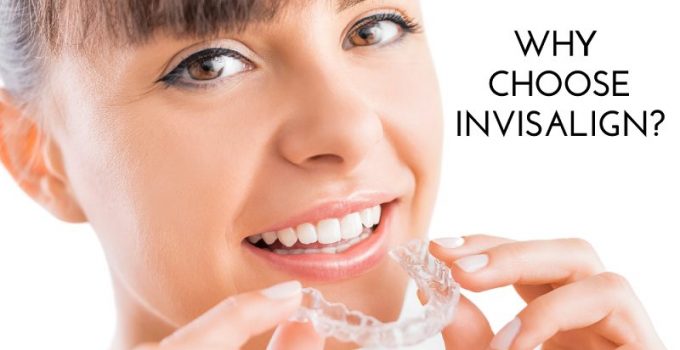
Why Choose Invisalign?

Comfort, convenience, and discretion top the list of reasons why Invisalign has climbed the ranks in orthodontic treatment options. Brackets and wires are not friendly to sensitive gum and mouth tissues, plus, there is no way to hide traditional braces unless you choose to forego smiling in public.

We are the best orthodontist practice to visit if you prefer realignment to be comfortable, convenient, and virtually invisible.

What is Invisalign?

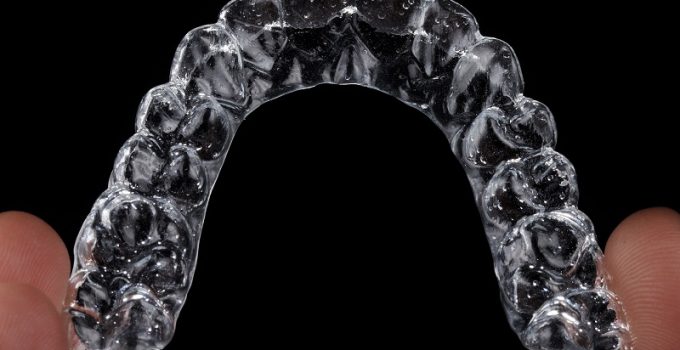
Invisalign is a series of clear plastic trays used in succession to bring teeth into alignment. The trays are as comfortable as they are inconspicuous. Unlike traditional braces, you will not be required to eliminate foods from your diet that could potentially damage wires and brackets. Since you remove the trays before eating, the only thing you may want to consider is whether your food choices promote tooth decay.

Removable trays also allow proper brushing technique, which helps decrease the likelihood of staining and permanent damage to the enamel. Invisalign does so much more than simply realigning teeth discretely.

What dental issues can Invisalign correct?

In the past, you may have heard that invisalign only works in cases of minor crooked or protruding teeth. Thanks to advances in technology, people with serious cases of malocclusion, overcrowding, gaps, or bite issues may be candidates for treatment with Invisalign. People who require rubber bands for alignment purposes are in luck since the newest trays can be fitted with rubber bands.

How does it work?
Custom treatment plans are developed by orthodontists with the aid of state-of-the-art x-ray technology. 3-D images are used to create a visual representation of realignment from start to finish. Depending on the severity of dental issues, treatment can vary from six months to two years. Over the course of treatment, a series of trays gently guide teeth into place. Each tray does a predetermined amount of work to bring teeth closer to their final position. Once treatment is complete, a retainer may be needed to prevent teeth from shifting.

Bonus Health Benefits
When teeth are properly aligned, gums tend to be healthier because they are able to fit closely to teeth. Hidden spaces caused by overcrowding or overlapping make proper oral hygiene difficult to attain. Plaque builds up in these hard-to-reach places and eventually leads to inflamed gums and tooth decay. Because the trays are removed during brushing and flossing, proper oral hygiene is easier to accomplish as realignment progresses.

Better hygiene practices mean less plaque and bacteria in the mouth, which is good for reasons beyond cavity prevention. One such reason includes heart health. An overgrowth of bacteria in the mouth can be picked up and carried by the blood until it is finally deposited on the wall of the heart.

The dedicated team at Rockland Orthodontics invites you to ask if Invisalign is right for you or your teen. Contact us to take the first steps towards a fresh new smile and perhaps improved overall health!

Why Choose Invisalign? Read More »

Why Do Kids Need Space Maintainers?

What Are Space Maintainers?

Usually made of metal or acrylic, a space maintainer is a dental appliance that is used to maintain the space where a tooth has been lost and the permanent tooth has yet to come in. We recommend space maintainers, they will most likely recommend one of the following four options.

Unilateral

This type of space maintainer is used to maintain the space for one tooth. One side is wrapped around the tooth to secure it, and the other side has a metal loop to maintain the necessary space.

Distal Shoe

A distal shoe space maintainer is made of metal and is usually used for slow-growing molars. The maintainer is inserted into the gum line where it will hold the space as the dentist monitors the surfacing of the molar.

Lingual

This type is most often used when multiple front teeth are missing, and the space needs to be maintained. The device is fixed to both sides of the mouth on the molars.

Crown and Loop

Crown and loop space maintainers are very similar to the unilateral except that the metal loop is actually affixed to a crown to ensure there is enough space available for new teeth.

Why Would You Need a Space Maintainer?

Space maintainers are often utilized for children who have damaged or lost teeth before their permanent teeth are ready to break through. Since children still have more teeth coming through when they experience tooth loss, permanent fixtures such as crowns do not work. Maintaining this space for children is extremely important, as open space can cause their teeth to shift requiring later orthodontic work to correct their smile or bite. The space is also necessary to ensure that the permanent tooth will have plenty of room to come in without pushing behind or in front of neighboring teeth that may have shifted.

Do Space Maintainers Require Special Maintenance?

It is essential that your child maintain proper oral hygiene to help their appliance last longer and prevent decay on the other teeth. Children with space maintainers will need to avoid gum, hard candy, or other foods that can be hard to chew. Overly sticky foods should also be avoided, as they may become caught in or damage the device. You will also want to schedule regular check-ups and see our dentists if there seems to be any movement or discomfort as it is possible for the appliance to begin to shift over time. Our dentist will also need to monitor the progress of the teeth below the space maintainer.

If your child has had premature tooth loss and you would like to learn more about the different space maintainers and which type may work best for your child,  contact Rockland Orthodontics today to schedule your consultation.

Why Do Kids Need Space Maintainers? Read More »

Dreading Braces? Invisalign May Be The Answer!

Children and teenagers that require braces and other orthodontic devices often dread the very thought of it. One solution is the Invisalign program that fixes crooked teeth without unsightly wires causing metal smiles. Today’s braces are nothing like the past hardware that closely resembled medieval torture devices!

Invisalign is known for its invisible equipment and the effectiveness of the treatment. In fact, the company has developed a line completely devoted to the needs of teenagers’ orthodontics.

INVISALIGN: THE INVISIBLE BRACES

REMOVABLE AND LESS PAINFUL
One thing that teens really love about this teeth-straightening program is the fact that the apparatus can be removed while eating. Unlike traditional braces, there is no worry about getting food caught in the braces or feeling like they are overwhelming due to this sense of permanency. This method is also a lot less painful than metal braces and there is no difficult process to add and remove them. Your dentist will simply take a mold of your child’s teeth and Invisalign will do the rest. As the process moves forward, there may be some discomfort in the first few days of each new piece.

EFFECTIVE
Teenagers are still growing, and their mouths are no different than the rest of their bodies. Due to the ability to adjust the plastic trays that are used for the teeth alignment, any modifications can be done fairly easily. Also, if the teeth move again after the treatment is concluded, new plates can be ordered to make the necessary corrections. The alignment plates must be worn twenty-two hours of each day to be effective. The appeal of the process is that it delivers the same results as traditional braces without the pain and discomfort or the unsightly look of metal and wires. Invisalign can be brushed very easily and the aligners should be cleaned by your child each time they are removed before putting them back into the mouth.

COST
Both braces and Invisalign come with a significant cost, however, most insurances at least partially cover both options. Invisalign care can range from $3,500 to $8,000 depending on the amount of realignment that is required. Dental practices understand that this cost can be burdensome to many families and are happy to work with you to ensure that you receive the highest insurance reimbursement available to you. If your insurance does not cover the entire amount, and most will not, many practices offer financing or payment plans for the remaining balance. Talk with your dentist’s office to learn more.

The teen years are already filled with enough awkward moments, and braces do not have to add to the stress. With Invisalign Teen, the straightening process is one that is discrete and does not need to cause any embarrassment. Your child deserves a healthy and beautiful smile, and Invisalign delivers results without the pain and discomfort of metal braces. Talk to your family dentist today to learn more about Invisalign and how it can help your child gain a healthy and gorgeous smile!

For more information, contact Rockland Orthodontics today.

Dreading Braces? Invisalign May Be The Answer! Read More »

Reasons You May Need an Orthodontist

It’s a fact of life that nobody wants to visit their dentist for a routine cleaning and have the appointment end with a recommendation to see an orthodontic specialist. Although such a situation may inherently sound scary, it probably is not going to be as frightening as it sounds. Most likely there might be a potential problem that can be treated with a touch of prevention rather than waiting for it to become exacerbated to the point of emergency. There are several reasons you may want to see an orthodontist or your dentist may recommend a consultation with an orthodontic specialist.

Reasons You May Need an Orthodontist

Braces and Fixed Appliances
Everybody knows how and why braces are prescribed to guide misaligned teeth back into their proper place, or with some specific forms of misalignment, a fixed appliance may be indicated to wear at night or for certain amounts of time during the day. Often, these corrections may seem like cosmetic fixes which aren’t very important from a true medical viewpoint. There are some cases in which crooked teeth may be functionally fine, but the patient wants an alignment service for the sake of looks, but more often the misaligned teeth are going to cause other problems which are more severe.

The fact is, your teeth are designed to work a specific way. When teeth aren’t properly aligned, they are not coming together properly, which means you might be causing damage the roots or your gums when chewing food. Teeth which are out of alignment can also be difficult to properly clean on a daily basis, leading to decay. You may feel you can live with these situations, and in all likelihood, they aren’t causing any immediate problems or cause for alarm. However, such problems never fix themselves but only get worse over time. It’s always better to treat such potential problems with prevention at your convenience rather than waiting for it to become a situation that requires you to stop everything else in your life for urgent care.

Headaches and Facial Pain
Unfortunately, one of the first signs of a problem with teeth is often overlooked as an unrelated symptom. Regular headaches and migraines are typically associated with stress rather than a tooth infection. It is possible to complain to your doctor for years and treat only the symptoms rather than finding the root cause of a toothache that causes the regular pain.

If your dentist recommends an orthodontist, don’t postpone it. Most likely, it’s just a small issue that needs to be reviewed and documented. If it is a larger problem, it’s always going to be better to treat it now rather than later. Contact Rockland Orthodontics today to schedule an appointment!

Reasons You May Need an Orthodontist Read More »

Do I Need Braces?

You see so many people with gorgeous, stunning teeth – and you have to wonder whether it is because of their lucky genetics or carefully placed orthodontics.

Orthodontics is a specialized area of dentistry that focuses on the diagnosis, prevention, and treatment of conditions affecting the alignment of the teeth and jaw.

How do you know if you need braces?

Is your smile not as straight as you would like it to be? Some people are simply born with crooked teeth, while others are affected by things like thumb sucking or pacifier usage.

Some issues your dentist may refer you to an orthodontist for include crowded teeth, underbite, open bite, crossbite, deep bite, spacing, wisdom teeth, impacted teeth, or missing teeth.

While you may have a normal bite, you may suffer from varying degrees of crowding or spacing, another factor that can lead to misaligned teeth. Crowding is a condition that causes the teeth to overlap, rotate, and in some cases, grow into the incorrect position in the mouth, or in more extreme cases, cause the tooth to become trapped in the bone.

The teeth and jaw relationship begins right from birth, so it’s important to pay close attention to a child’s jaw development. The American Association of Orthodontists (AAO) recommends that children should be seen for their first orthodontic consultation no later than age 7. By the time a child is seven years of age, it’s usually quite obvious to a dentist/orthodontist if a patient will have orthodontic problems, as most of the adult teeth should be present. This pre-screening process can help the orthodontist recommend preventative measures or advise on future procedures if necessary. Adults can seek treatment at any time, as it is never too late to correct their teeth.

Are there non-cosmetic benefits?

Among the many benefits of braces is the improvement of small breathing passages or difficulty breathing, especially through the nose. Some of the signs that indicate you have difficulties breathing through your nose area are mouth breathing – especially while sleeping, daytime sleepiness, snoring, and more.

In addition, braces can help solve the issues of speech impediments, jaw pain, difficulty chewing or eating, sleep apnea, snoring, grinding or clenching teeth, gum disease, and tooth decay.

Healthy teeth and gums, improved health, relief of breathing issues, and enhanced self-esteem are just a few of the many benefits of correcting your teeth with braces.

To find an orthodontist in your area, you can visit The American Association of Orthodontists (AAO) website. Ask around among your family and friends to see who they recommend or see themselves, or book an appointment with Rockland Orthodontics to get their best recommendation.

Do I Need Braces? Read More »

5 Non-Sugary Halloween Treat Alternatives

Halloween is just around the corner, which means an endless supply of sugary treats from trick or treating. Kids get a ton of candy from school parties, friends, neighbors, or relatives during Halloween. Sometimes the candy is so much it can last up to thanksgiving or Christmas time! However, the sugar crash is detrimental to you and your child’s teeth and overall health. More people are looking for creative alternatives to sugar to keep their kids from unhealthy sugary treats. Additionally, with the rising number of food allergies, it would be best to avoid traditional candy treats. Your child can develop cavities nearly overnight, and they would have to undergo expensive, painful dental restoration procedures, something that can be easily avoided.

Despite this, it is still important for those passing out treats and your kids to have fun and enjoy the festivities. You can still find a middle ground and enjoy Halloween in plenty of healthier and fun ways without being the Halloween Grinch. Here are non-sugary treats that your kids can enjoy for Halloween.

1. Go for Nonsticky Fruits

You can give your kids healthier alternatives to trick or treating by putting together a fun bag of yummy fruits. But this does not mean you give them dried fruit because it contains high sugar. Consuming large amounts of dry fruits could lead to weight gain, and the fruit can stick between teeth and erode the enamel. Instead of giving your kids sticky fruits, you can swap them with healthier fruits like:

  • Bananas
  • Blueberries
  • Apples
  • Grapes
  • Cranberries
  • Oranges

You can get creative with the fruits and ask your kids to help you make spooky fruits like bananas, strawberry ghosts, frightful fruit kebabs, or pumpkin oranges. Your kids will have fun helping you be creative with the fruit monsters while keeping your mind at ease, knowing they won’t indulge in the typical cavity-filled Halloween candies.

2. Low Sugar Chocolates and Candies

There are various zero-sugar chocolate companies that sweeten their chocolate bars with natural sweeteners that taste great and are healthier for the teeth. You can also try healthy alternatives to candy treats like Halloween pretzels, peanut butter cups, pudding cups, Goldfish, or other types of sugar-free snacks. You can find a variety of nonsugary treats in your local grocery store or online.

3. Bubbles for Trick or Treaters

Kids love blowing bubbles, and you can incorporate them in goody bags or as one-piece giveaways for the little ones as they come to trick or treat. They are a great way to keep the kids relaxed and distracted from the candy. Bubbles are inexpensive, and you can find various bubble bottles with different Halloween-themed designs like ghouls, ghosts, monsters, vampires, or mummies. Additionally, you can avoid some candies that cause choking hazards, like lollipops, tootsie rolls, and skittles.

4. Stickers

You can get an assortment of Halloween stickers as early as September and fill them up in your candy bowls. There is a variety to choose from, like glow-in-the-dark, scary, or goofy ones. You can buy a selection of them in bulk, and the little ones can select the ones that appeal to them. If you cannot find Halloween stickers, you can go with popular cartoon-themed characters that kids love these days.

5. Chilled Water Bottles

Kids get dehydrated easily from running around to collect their stash of candy. Chewing on sugary treats can make your kids pretty thirsty, and what better way to quench their thirst than with a cool bottle of water. Additionally, water helps to flush out or buffer the acid attack in the teeth brought about by eating candy. It may seem odd to hand out mini water bottles for treats, but parents and kids will highly appreciate them. Keep the mini water bottles in an ice cooler to keep them chilled and refreshing before passing them around. You can also quench their thirst with healthy juices to keep them re-energized.

Tips on Avoiding Sugar During Halloween

Kids learn through observation. If you consume candy in moderation or restrict yourself from overindulging, your kids will do the same. If you practice good habits and show your kids that candy is not something they should value, they will pick up on it and become less interested. You can allow them to eat some candy on Halloween but afterward, let them know the remaining candy can only be eaten at snack time and let them stick to the rules.

Keep your kids full by feeding them their favorite meal to keep them satisfied before going trick or treating. After eating, there is usually more saliva in the mouth, which will come in handy to protect their teeth from an acid attack that occurs after eating candy.

According to studies, kids denied candy completely tend to overindulge when they come across candy more than those who eat some candy regularly. Limit the amount of candy they can eat, and you can occasionally allow them to choose the type they like.

After binging on candy, ask your kids to drink lots of water right away and wait 30 minutes to an hour before brushing. This is because the acid in the sugary treats can temporarily weaken your child’s enamel. Therefore, brushing immediately after eating candy puts their teeth at irreparable enamel damage (chipping or breaking).

Here are some candies you should stay away from if you are not planning on avoiding candy altogether during Halloween:

Hard candy: This can break your tooth or harm your jaws when you try to bite on it. Additionally, it is highly concentrated in sugar, and as you suck on it, your teeth are constantly coated with sugar, exposing them to more damage. This greatly increases your child’s risk of tooth decay and gum disease.

Gummy worms: They are highly acidic and can wear out the enamel leading to tooth sensitivity and other dental issues.

Sticky or chewy candy: These sticks or wedges between teeth increase the risk of cavities.

Conclusion

The best way to stay away from candy is to keep it away from your home. Keep healthier options at home, educate your kids on the importance of avoiding candy, and remind them to continue flossing and brushing daily.

For more information please contact Rockland Orthodontics.

5 Non-Sugary Halloween Treat Alternatives Read More »

Skip to content