Rockland Orthodontics

Uncategorized

Cleaning Your Braces and Teeth Properly

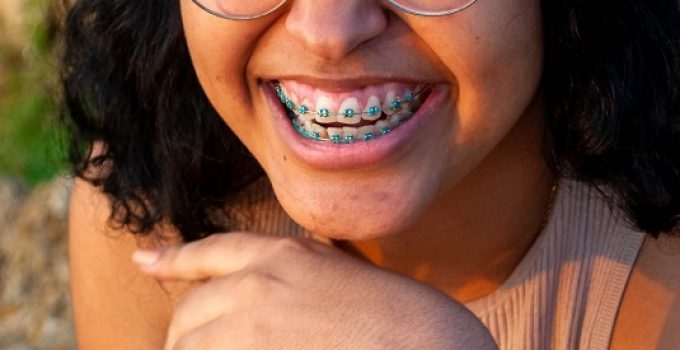
Tooth care is a crucial part of orthodontic health. Orthodontics uses braces to align the teeth, straighten them and help reposition them. Braces bring in a beautiful smile and must be taken care of to reduce the risk of cavities, plaque buildup, or gum disease that could interfere with your treatment.

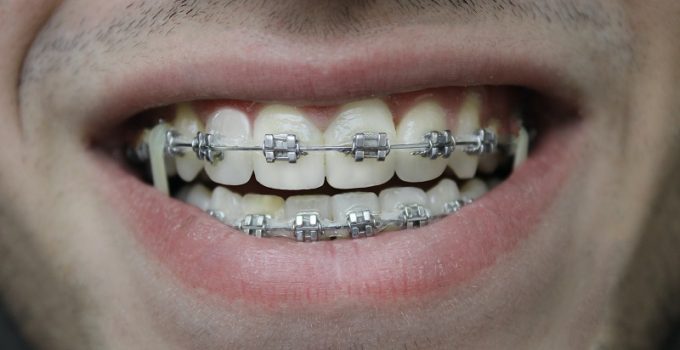
Braces act as a physical barrier when cleaning your teeth. Brackets and wires may trap food debris, creating unsightly white spots and making it harder to clean teeth. Plaque stains teeth and wears away tooth enamel leading to tooth decay. Establishing a strict cleaning routine will be worth your while and easier along the way. Here are a few tips on tooth hygiene and care while wearing metal braces.

Brush After Every Meal

Brackets and wires trap food debris, and brushing them frequently is recommended to prevent plaque formation. Brushing thrice daily, an hour after mealtime and before you retire to bed, is essential. Before brushing, ensure you rinse your mouth for about 30 seconds with water to remove any food debris stuck between your braces. It is also good to thoroughly rinse your toothbrush before adding toothpaste to remove any bacteria or debris that might have been left from your previous brushing.

Always carry a toothbrush and toothpaste when traveling. When you don’t have a brush, its’ good to rinse the mouth for 30 seconds with water. Foods like oranges and sports drinks soften the tooth enamel, so one needs to wait 30 -60 minutes before brushing.

Use The Right Toothbrush

Ensure your toothbrush is the right shape and fit for your mouth so that it can easily reach all the corners of your mouth.

A brush with soft bristles is the best to avoid irritation of the gums. Clean the top of the teeth and between the brackets. Avoid using tough bristles since they may loosen the braces. Interdental or spindle brushes help remove food debris between your teeth and the tiny spaces under wires and brackets.

Brush for two minutes at a 45-degree angle with your bristles facing down on the gum lines, using circular motions. It is advisable to swap to an electric toothbrush. Hold your electric toothbrush on each tooth toward the gums, and do not use scrubbing motions; just allow the brush to do its work.

Brush all sides of the mouth, inner and outer sides, go on for two minutes, and do not forget to brush above and below your braces and on your chewing surfaces.

Keep replacing the toothbrush once it shows signs of wear. A worn-out toothbrush might not be able to remove food debris, bacteria, and plaque efficiently. Frayed toothbrushes should be replaced every three months.

Rinse your mouth with water after every meal to remove any food particles stuck in the braces. If you don’t have time to brush after any bite, rinse the mouth for 30 seconds with water to remove food debris.

Avoid Too Much Toothpaste

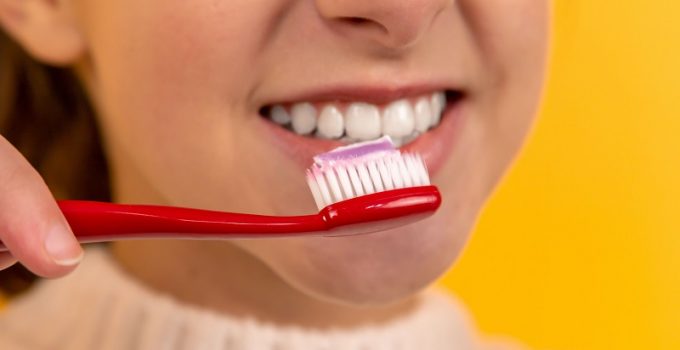
Use the right toothpaste, like one with fluoride, to keep your teeth strong and prevent plaque accumulation. Since braces make teeth sensitive, use sensitivity-formulated fluoride toothpaste. Too much toothpaste forms paste in the mouth, preventing you from seeing the plaque and debris. First, use a wet toothbrush, then add a small amount of toothpaste (pea size).

Use A Floss Threader or a Waterpik

Tie dental floss to a threader as an easier way to glide through the wires and brackets using slow motion to eliminate plaque and food debris.

Waterpik is a device that shoots a jet or stream of water at your teeth to remove food particles between your teeth. It helps remove food debris and might help reduce bleeding gums, bacteria, and gum disease. It is an easy, quick way to floss. These special tools may help clean the food particles around the brackets and the wires, but they should not replace flossing or brushing.

Use Mouthwash at Night

Reduce tooth decay and protect the enamel by using an anti-cavity fluoride mouthwash. Rinse for one minute, then look in the mirror to see if some places have been left uncleaned. You can also use mouthwash four times a day to help prevent inflammation of the gums and tooth decay and to get rid of bad breath.

Use a mouthwash with chlorhexidine (recommended by dentists) and avoid those containing alcohol since it dries out the mouth and can cause bad breath. Mouthwash should not be substituted for flossing or brushing.

Avoid Certain Foods

Sugary treats like candies and acidic foods like vinegar and citrus fruits damage the teeth. Sticky foods like gum, nuts, popcorn, ice, corn chips, gummy bears, licorice, and caramel are not easy to clean. They can lead to cavities which cause pain and increase sensitivity. Beef jerky, pizza crusts, corn on the cob, apples, and carrots can bend wires or damage your braces.

Since they could damage your brackets, you should also avoid biting or chewing hard objects such as toothpicks, nail-biting, straws, pencils or pens.

Brush Your Tongue

Brushing your tongue is essential because it can keep bacteria and cause bad breath. It is important to remove bacteria before they hide in between the metals, wires, and teeth. Brush your tongue and soft palate using gentle back-and-forth scrubbing motions.

Other Alternatives

Gargle with salted water to reduce inflammation, keep your teeth clean and reduce pain and soreness. Salted water can help keep your mouth healthy, especially after your braces are first applied.

In cases where you might forget toothpaste, coconut oil is a good alternative. It has a bacteria-fighting element and also fights tooth decay. Baking soda can also be used by mixing with water to make a paste that helps to clean the teeth.

Attend Dental and Orthopedic Appointments Regularly

Your orthodontist will check on your progress, change elastics and adjust wires, check your teeth and whether anything needs to be done, and you will also have a chance to ask questions. Visit your orthodontist as often as they suggest.

Your dentist will clean your teeth to remove plaque and tartar buildup that can lead to cavities and keep the teeth free of stains when the braces are finally removed. Visit your dentist at least after every six months.

Keeping your teeth and braces clean and healthy is crucial because it enables you to reap the best results of your orthodontic treatment. Maintaining oral health can keep your teeth healthy and bright after being removed. For more information please contact Rockland Orthodontics.

Cleaning Your Braces and Teeth Properly Read More »

3 Tips for Going Back to School with Braces

Summer is sadly over, and it is time to get the kids back to school. Summer holidays are the most ideal and convenient time to get your child’s teeth straightened out. The beginning of a new school year can be both exciting and nerve-wracking for students, parents, and teachers. This can be even more overwhelming if you return to school with new braces.

The transition may make you nervous, stressed, and uncomfortable with your new look when talking or eating. Remember, you are not alone whenever you feel conscious about the new braces. If you feel awkward or embarrassed about them, remember that the treatment is just temporary, and when it is done, you will enjoy a straight and beautiful smile for the rest of your life. As time passes, you will get the hang of the new braces. With the help of a few tips, the recent changes to your teeth will seem easy and seamless.

1. Practice The 2×2 Rule and Carry a Brace Kit

The 2×2 rule is a great way to maintain healthy teeth free of cavities and other dental problems by brushing twice daily for two minutes.

It would help if you brushed your teeth before your first meal and then rinse after the first meal. Being consistent with your dental hygiene practices helps straighten your teeth faster and improve your overall dental health. It is essential to brush your teeth after every meal at school. If you feel awkward about brushing your teeth, you can swish with a cleansing mouthwash that your orthodontist can recommend.

Keep a brace kit in your locker or backpack to help take care of your braces easily in school whenever required. The kit should include the following items:

  • A soft-bristled toothbrush, toothpaste, and floss to use after having your lunch.
  • Dental wax and lip balm help soothe irritation caused by braces
  • A mirror to check for any food particles that might be stuck between the braces
  • Extra rubber bands (if elastics are being used in their treatment)
  • A case for removable appliances

2. Hydrate and Avoid Sticky, Crunchy Foods

Water keeps you healthy, hydrated and helps remove food particles from your braces and teeth throughout the day. When thirsty, avoid the temptation of reaching out for a soda that can cause cavities and stain your teeth by taking plenty of water.

Stay clear from sticky, crunchy, raw foods like apples, chips, carrots, or nuts. Additionally, do not chew gum, caramel taffy, and ice. These foods may damage or break your braces which may prolong your treatment. Ask your orthodontic team which foods you can comfortably eat. You can preview the school menu so that you know which days to avoid the foods that are not brace-friendly. If possible, carry a meal from home instead.

3. Wear A Customized Mouth Guard

If you are active in contact sports, wearing a mouth guard is a good idea. This helps protect your brackets and wires from damage and keeps you safe from any mouth, cheek, or gum injuries during P.E, practice, and games.

These back-to-school tips can help keep your braces in tip-top shape and speed up your treatment. Keeping up with your orthodontist appointments when fitted with braces is very important. This allows your orthodontist to check the condition of your teeth and braces while making any necessary changes or adjustments to your treatment. You can ask your parent or guardian to pre-book your appointments so that you stay on top of your appointments and avoid last-minute inconveniences. For more information contact Rockland Orthodontics.

3 Tips for Going Back to School with Braces Read More »

How to Take Care of Your Retainer

Your orthodontic care does not end when the aligners are removed. Retainers are essential to stabilizing your new tooth arrangement. The braces or aligners force the teeth to return to the mouth, which involves the absorption of bones at the back of the oral cavity. To maintain your new look, you must use the retainers for a period that has been determined by Rockland Orthodontics. In many cases, patients must use these products for the rest of their lives. Depending on certain factors, the period can even be as short as three months. Retainers are used only intermittently, usually three to five times a week, for those who use them throughout their lives. The care of the retainers is essential to keeping your teeth in their new condition. The care of the retainers can be carried out as follows:

Clean Your Retainer Regularly

Treat your retainers as your own teeth! Carefully scrub your retainer with a toothbrush and water after each use. Avoid brushing the retainer with toothpaste, as the toothpaste might be abrasive and cause scratches that will make it difficult to clean the keep your retainer clean.

Wear Your Retainer Often

Use your retainer as often as recommended by your orthodontist. It’s best that you keep your retainer upright, so your smile stays perfect. Remember, retainers only work if you use them!

Avoid Heat On Your Retainer

Your retainer will only work if it fits properly! Your doctor will prepare it with the perfect support for your mouth, but it’s up to you to make sure it stays that way. Avoid leaving your retainer in a hot environment, such as a windowsill or a hot car. It will melt or wrap. Never put it in boiling water; you may think that boiling it is a great way to make it as clean as possible, but the heat will ruin it.

Keep Your Retainer Away From Pets

Yes, you love your furry best friend, but they have a special ability to snack on retainers. Keep your retainer safe and away from pets at all times.

Avoid Putting Napkins On Your Retainer

If you wrap your retainer in a napkin during meals, it may be easy for your waiter or you to throw it in the trash accidentally. To avoid getting into the bin, keep your retainer in its storage box!

Soak Your Retainer

To add extra cleaning to your retainer, try soaking it.You can buy retainer cleaner, which comes in tablet form, or you can make your own cleaning solution by mixing 1 part of sodium hypochlorite with ten parts of water. Soak for 5-10 minutes, and your retainer will be perfectly clean.

Replace Your Retainer When Needed

Even a well-made retainer eventually wears out. If you find that your retainer is deteriorating or behaving differently, contact your doctor. Replacing your retainer when due is an important part of maintaining your smile.

Carefully Put On And Take Off Your Retainer

When you put on your stand, make sure it is always on. There should be no gap between the teeth and the support. When removing it, do not twist it with your tongue or pull it to one side. Otherwise, the retainer may get damaged. Loosen your retainer in several places when you remove it and then ease it off. Do not forget to store it in its storage box!

Brush Your Teeth Before And After Wearing Your Retainer

Before and after putting on your retainer, brush your teeth. If you put your support on dirty teeth, your support will get dirty much faster, and it is not good for your teeth

Keep Your Retainer One Spot

It sounds obvious, but do not lose your retainer! Always keep it in the bag when not in use and keep it out of reach of dogs or children. If you lose it, make sure you replace it.

We cannot stress this point, use your support! Your teeth can change throughout your life. Even if you think your teeth are straight and will stay that way, it is essential that you continue to use your retainer! Taking care of your retainer will help to make your teeth look good and make the most of your investment, and do not forget to show off your big smile. For any retainer questions that you might have contact Rockland Orthodontics.

How to Take Care of Your Retainer Read More »

Are Braces Right for Me?

About three out of four people could benefit from braces, but not everyone opts for this corrective dental intervention. This is unfortunate since the benefits of braces can be dramatic and last a lifetime.

Every person’s mouth and every set of teeth are different. So it stands to reason that sometimes, a person’s teeth don’t come in right, or just don’t fit along the gum line neatly. In fact, it’s quite common for patients of all ages to come to (insert Dr’s name) for braces, in order to align their teeth properly, beautify their smiles, and to create proper alignment. However, beyond a perfect smile, braces provide numerous other benefits.

Reasons to Get Braces

Braces Can Prevent Tooth Decay
Misaligned teeth are a bit like misaligned tires. They can wear down more quickly with normal use. When teeth are not aligned properly, upper and lower teeth can rub together in ways that wear down the tooth enamel quickly. When optimal tooth alignment is achieved, the teeth will last longer and tooth decay will be a much less prevalent problem.

Braces Can Help To Prevent Heart Disease
When malocclusions (misaligned teeth) are not remedied- as we pointed out- the teeth will sustain undue damage which can be avoided and lead to degraded oral health. One of the most life-threatening problems that can arise from poor oral health is heart disease. Heart disease can be caused when excess plaque on the teeth and gums finds its way into sores in the mouth that result from an unhealthy dentition. When this happens, plaque can find its way into the bloodstream where it can contribute to the clogging of the arteries.

Braces Can Avoid Health Complications
Heart disease is not the only health problem that can stem from malocclusions. Overbite, underbite, and other misalignments of the teeth can cause a whole range of problems with mild to severe consequences. Headaches, earaches, difficulty or discomfort while chewing and biting, speech impediments, and even painful disorders of the jaw can result. When these problems are caused by malocclusion, braces can almost always remedy them.

Better Confidence and Self Esteem With Braces
Of course, straighter teeth make a more beautiful and healthy smile- and that’s something that can improve our private and professional lives in many ways.

Types of Low-Visibility Braces

Many people avoid getting braces because they feel it will negatively affect their appearance. But there are low visibility options available, among others.

Invisible Braces
Invisible braces are clear and very hard to spot if you aren’t looking for them. They are transparent aligners that straighten the teeth just like normal braces.

Lingual Braces
This type of braces are very similar to traditional braces, but they are mounted on the backside of the teeth. They are completely hidden.

Ceramic Braces
Like invisible and ordinary braces, ceramic braces are mounted on the front of the teeth. The difference is that they are the same color as tooth enamel and are harder to see.

With all these reasons and all these options- it just doesn’t make sense to avoid what could be a life-changing procedure. If you are interested in transforming your smile and improving your teeth’s alignment, contact Rockland Orthodontics today!

Are Braces Right for Me? Read More »

Braces and Brilliant Smiles

When you mention braces, most people think of perfectly straight teeth, but there is so much more to orthodontia than just the aesthetics. For many, enduring metal brackets was a necessary part of growing up. Luckily, advances in dental technology have given us clear aligner therapy, and even tooth-colored ceramic brackets, as alternatives to shiny silver brackets. Looking beyond straight teeth and improved bite, orthodontic treatment from (insert practice name) can benefit both oral and overall health.

What are Some Of The Hidden Health Benefits of Orthodontia?

Crowded and overlapping teeth make it difficult to brush and floss effectively. When food particles stay behind on teeth, a sticky substance called plaque builds up. As plaque goes relatively untouched between the teeth and gums, it becomes a breeding ground for bacteria. This opens the door to periodontal disease and tooth decay, both of which can lead to teeth and bone loss. Traditional braces and clear aligners guide teeth into alignment, allowing you to reach the in-between spaces that eluded you in the past.

Gums protect the roots of teeth, but they have difficulty keeping bacteria at bay when teeth are misaligned. An increased presence of bacteria in the mouth can impact your heart health. If the bacteria reaches your bloodstream, it is deposited on the wall of the heart. Clear aligner trays are removed for brushing and flossing, so they make it easier to remove excess bacteria than traditional braces.

Malocclusion is the term that describes a misalignment between the upper and lower jaws. When teeth line up properly, the TM (temporomandibular) Joint usually functions smoothly. Malocclusion puts pressure on the TMJ, causing anything from a dull ache to severe pain. In the past, traditional braces were the only option to fix bite issues. Many clear aligners can now be made to fix more serious cases of malocclusion.

Is Clear Aligner Therapy Right For Everyone?

Now that clear aligners can be fitted with rubber bands; more people have the option of choosing clear aligner therapy over traditional braces. Crowding, overlapping, gaps, and mild to moderate bite issues can be corrected with clear aligners. Cost may be prohibitive to some, but for many others, the benefits outweigh the cost. A thorough screening from (insert practice) will help show you which orthodontic treatment is right for you.

Traditional vs. Clear Aligner Orthodontia

Traditional braces consist of old-school metal brackets, mini brackets, and tooth-colored ceramic brackets. Lingual braces are placed on the back of the teeth to make them less conspicuous than traditional braces, but they still use brackets and wires to do the work. Brushing and flossing can be tricky since the brackets are cemented to the teeth. Staining is common, and in some cases can be permanent.

Clear aligner trays are worn for at least 22 hours a day. You remove them to eat and brush, so keeping teeth clean and stain-free tends to be easier with clear aligners. A set of clear plastic trays slowly guide teeth into place. Most people change trays every two weeks, though individual treatments plans vary. Like traditional braces, when treatment is complete in six months to two years, retainers keep teeth from shifting back to their old positions.

For more information, please contact Rockland Orthodontics today!

Braces and Brilliant Smiles Read More »

11 Tips for a Healthy Mouth

If you want to keep smiling with a healthy and well functioning set of pearly whites, follow these easy tips to help you keep your teeth healthy.

1.Brush at least twice a day.

The best time to brush teeth is at the start and end of each day or after meals. Choose a toothbrush with a small head for better access to back teeth. Soft bristles are kinder on your gums. Toothbrushes should be changed 3-4 times a year.

2. Start kids on a dental regimen early on.

One in four young children develops signs of tooth decay before they start school. Half of all children between the ages of 12 and 15 have cavities. Start with a regimen when the first tooth appears, using a super soft brush or cloth to clean teeth until the age of two when they can begin brushing for themselves, under your careful supervision.

3. Use fluoridated toothpaste.

Fluoride helps to harden tooth enamel and reduces your risk of decay. Many people drink water that is fluoridated, but if yours is not there is a specialized fluoride application that can be placed on your teeth. Many kinds of toothpaste and mouth rinses contain fluoride – but be careful not to use too much as it can cause white spots on teeth.

4. Seal your teeth.

Permanent molars come in around age 6. Thin protective coatings applied to the chewing surfaces of the back teeth can prevent decay in the pits and fissures. According to the Centers for Disease Control and Prevention, sealants can significantly reduce caries. Yet only one in three U.S. kids receives dental sealants. Talk to your dental professional.

5. Floss your teeth daily.

Use a slow and gentle sawing motion when flossing at least once, if not twice a day, and especially when recognizing food debris in your teeth.

6. Limit acidic drinks like soft drinks, cordials, and fruit juices.

Food acids soften tooth material and dissolve the minerals in tooth enamel, causing holes (cavities or caries). In severe cases, teeth may be ‘eaten’ right down to the gum.

7. Limit sugary foods.

That gummy worm and all the sugar gets lodged in your teeth and creates a cavity playground.

8. Protect your teeth from injury.

Wear a mouthguard when playing sports.

9. Try to save a knocked-out tooth.

If possible, hold the tooth back in place while you seek immediate dental advice. If this is not possible, wrap the tooth in plastic or place it in milk and seek dental help as soon as possible.

10. Avoid using your teeth for anything other than chewing food.

If you use them to crack nuts, remove bottle tops or rip open packaging, you risk chipping or even breaking your teeth.

11. See your dentist for regular check-ups.

You should also visit your dentist if you have a dental problem such as a toothache or bleeding gums.

Dental health doesn’t have to be difficult, following these simple steps you can ensure your best dental health and smile for years to come! For more information, please contact Rockland Orthodontics today!

11 Tips for a Healthy Mouth Read More »

The Importance of Wearing Your Retainers After Braces

After you have completed your orthodontic treatment, it is important to continue caring for your teeth. Once your braces are removed, a retainer may be proper treatment to keep your teeth straight. Following the recommendations from your orthodontist can ensure your teeth continue to stay in perfect alignment.

What Do Retainers Do?

  • Retainers hold your teeth in position – Retainers will assist in holding your new smile in place throughout the initial post-braces phase when the tissues surrounding the teeth adjust to their new locations.
  • Avoids teeth a recurrence of malocclusion – Following this initial phase, retainers will be worn at night to avoid teeth moving and a recurrence of the malocclusion that existed before braces.
  • It helps settle the teeth on the new position – They are usually made of metal or clear plastic and fit over the top or bottom teeth (or both). Wearing them will help your teeth stay in their new position while they settle into their new position and form attachments to the jawbone.

What Happens When the Patient Removes Retainer After Braces?

The most frequently asked question is, “What happens if I forget to wear my retainer after braces?” If you do not wear your retainer regularly, your teeth may return to their original misalignment.

We usually remind clients that if they have braces for the first time and then stop seeing an orthodontist or dentist who can monitor their teeth to ensure they remain in the proper place, wearing a retainer may be one of the most essential things they ever do for themselves.

Retainer Maintenance and Care

  • Wear that retainer every night to ensure your teeth stay exactly where they should be.
  • Be sure you’re not wearing it while eating.
  • Schedule an appointment if your retainer breaks or is misplaced.

Retainers are an integral part of your orthodontic treatment. Retainers help keep your teeth aligned long after your braces are removed. If you have questions about your smile, contact Rockland Orthodontics toda

The Importance of Wearing Your Retainers After Braces Read More »

What to Look for in an Orthodontist

Choosing an orthodontist can be tricky, it is hard to know what to look for and which office will best suit your lifestyle and oral health needs. With any service, we understand you want the best treatment available at the best price. To help you in your search for the right one, we’ve made a list of things to consider when selecting your orthodontist!

What Is an Orthodontist?

An orthodontist is a dental specialist trained in the prevention, diagnosis, and treatment of dental and facial growth and development. If you are wanting a straight and healthy smile, but need your teeth or jaw properly aligned, an orthodontist is who you want to see!

Orthodontists graduate from dental school and go on to further study in the field of orthodontics. After completing their education, they undergo a two-to-three-year residency program before earning the right to call themselves orthodontists.

When Is the Right Time to Visit an Orthodontist?

Orthodontists treat patients of all ages from children, teenagers, and adults so it is never too late to seek treatment.

The American Association of Orthodontists, or AAO, recommends children have their first orthodontic evaluation around the age of 7. During this stage of growth, it is important to ensure that their jaw and teeth are growing properly.

Orthodontists are trained to detect subtle problems with your teeth, jaw, and bite. Their expert training allows them to monitor and correct any problems as they occur. We recommend early treatment to prevent problems from becoming more serious if left untreated.

If you have some concerns about the appearance of your smile, questions about the alignment of your teeth or bite, or begin to experience jaw problems, it may be time to schedule an appointment with an orthodontist.

Why Should I Choose an Orthodontist?

If you see a dentist regularly, you may wonder if it is necessary to see an orthodontist as well. Though your dentist may offer orthodontic treatment, they do not have the same level of education or experience in orthodontic treatment as an orthodontist would have.

If your dentist is not an orthodontist but claims to provide treatment, please seek a second opinion with a certified AAO orthodontist who specializes in the diagnosis, prevention, and treatment of orthodontic problems. By selecting a licensed orthodontist associated with the AAO, you can rest assured they are up to date on the newest and most effective treatments and procedures.

Consider Education & Experience

When selecting an orthodontist, be sure to review their educational background, where they went to school, what accreditations they may have, and if they are connected to any associations or organizations within their field. Experience and education play an important part in providing patients with quality care.

Schedule A Consultation

Many orthodontists offer a free consultation for first-time appointments, which can be helpful if you plan to visit a few before picking the right one. Consultations are a great way for you to meet the staff, orthodontist, and get a feel for the quality of the office.

Pay attention to the look and feel of the office. Search for an office that is clean and modern with passionate and welcoming staff.

Ask about treatment options, any products they sell, and compare the length of potential treatment plans to their respective costs.

Review The Practice

In today’s digital age, it is easy to get a feel for a spot with a quick search online. We recommend checking out the practice’s website and reading through patient reviews and testimonials. By reading reviews, you can get a picture of what each orthodontist may be like.

The website can be a great place to learn more about your potential orthodontist and staff as well as provide further insight into the practice. When reviewing their website, pay attention to the services offered but also how well professional the site looks. Their website may also show awards, certifications, business ratings, and before-and-after pictures of patients.

Cost

The cost of orthodontic treatment can vary depending on the patient’s condition, individual needs, and recommended plan. Orthodontic treatment can be expensive, so it is important to ask whether the office accepts your insurance or if they offer any payment plans.

Questions To Ask Yourself

If you think you’ve found the one, be sure to ask yourself these questions in mind when making your decision.

Orthodontic treatment can take time, sometimes even years to complete with frequent checks to monitor progress. Since you will be visiting the office regularly, consider the location of the office to your home or place of work. Consider the office hours as well, many orthodontists offer evening and weekend hours to make it easier for patients to schedule appointments between work or school.

Your smile is worth the investment, why would you trust anyone other than a qualified specialist. Choosing an orthodontist shouldn’t be a rushed decision. We recommend checking out a few offices to get an idea of what will be best for you. For more information on what to look for in an orthodontist and how we can help you or to schedule an appointment, contact Rockland Orthodontics today.

What to Look for in an Orthodontist Read More »

Preventing Stains During Orthodontic Treatment

Finishing orthodontic treatment is a big deal! Finally, your braces are coming off! You’ve invested a lot into the process and are excited to see your sparkling straight smile. The last thing you want to see when they remove your braces is stained teeth. Fortunately, we have several recommendations to offer to prevent you from being surprised with stained teeth after braces.

Orthodontic Treatment & Stained Teeth

Braces can make it difficult to fully clean and remove plaque from your teeth. It is common for plaque to build up behind wires and around brackets. If not removed, the plaque may develop into tartar and turn a yellow or brownish color. The bacteria found in plaque can eat at your tooth’s enamel, soften your tooth, and leave exposed white spots.

Over time, if not professionally cleaned, the tartar and plaque can lead to tooth decay, cavities, and gum disease.

Sometimes the bonding material used to attach brackets to your teeth become discolored over time, but this material will be removed along with your braces.

Can You Prevent Stains?

Fortunately, you can take preventative measures against tooth staining after braces.

The first step is to practice and maintain good oral hygiene practices during orthodontic treatment. We recommend investing in interdental brushes, water flossers, or floss threaders to help you clean and remove plaque and leftover debris from between your brackets, gums, and teeth. An electric toothbrush with an orthodontic headpiece can also help to keep your teeth clean. Brush after every meal with a soft-bristled brush and ADA-approved fluoridated toothpaste. Avoid using tooth-whitening toothpaste as this can lead to discoloration since only the exposed areas will be whitened.

The second step is to continue to attend regular cleanings and examinations with your dentist and orthodontist as needed. Your orthodontist can offer suggestions on how to clean around your braces and avoid stains.

Minding your diet is also important as certain foods can become stuck to your braces, damaged wires, and significantly contribute to plaque buildup. We recommend limiting sugary, acidic, starchy, sticky, and crunchy foods during your orthodontic treatment. Dark and highly pigmented foods and beverages such as dark sodas, tomatoes, berries, tea, wine, coffee can stain your teeth as well.

For patients who smoke cigarettes or use tobacco products, if possible, try to reduce the amount or stop altogether during treatment as these products can stain your teeth as well.

Removing Stains After Treatment

If you’ve recently had your braces removed and noticed stains or discoloration, it’s not too late. We offer several treatment options that can help whiten and brighten your new smile.

Teeth whitening either at home with toothpaste and strips or professional in-office treatments can lift stains from the surface of your teeth. Always consult with your dentist before trying over-the-counter products as some ingredients may lead to tooth sensitivity or gum inflammation.

Cosmetic dentistry such as veneers or composite tooth restorations can be applied to the surface of your teeth to whiten your smile as well. If you are curious about using cosmetic dentistry to whiten your smile, speak with your dentist for more information.

As orthodontists, we are here to help you achieve that straight and dazzling smile you’ve been dreaming of. Don’t let the fear of potential stains prevent you from seeking treatment. We will be with you every step of the way so that you can smile after braces with confidence and pride. For more information on how to prevent brace stains or to schedule an appointment, contact Rockland Orthodontics today.

Preventing Stains During Orthodontic Treatment Read More »

Moving Your Teeth With Braces

We care about our patient’s well being and comfort in our office and as such we encourage you to be active in your treatment. A great way to be active is to learn more about your treatment and the orthodontic process. Understanding how your teeth move and how orthodontics works can help you to feel more comfortable with your treatment as we work together to create a healthier, straighter, smile.

Can your teeth move?

Yes! Your teeth can shift and move due to your body’s incredible ability to adapt to certain situations and stressors. Your teeth move when slight pressure is applied to them over time, this can happen due to overcrowding, smaller jaws, or crooked teeth. As orthodontists, we use your body’s ability to adapt to also correct any malocclusions so that you can have the smile you’ve dreamed about.

Retainers, lingual braces, headgear, aligners, and traditional braces are just a few methods we use to straighten your smile.

What are braces?

Braces are one of the most common treatment options for correcting your smile. Braces are composed of several different parts that work together to create gradual gentle pressure on your teeth and jaw to move your teeth into the correct alignment.

When learning about how orthodontics works, it is a good idea to get to know the parts of your braces.

Brackets

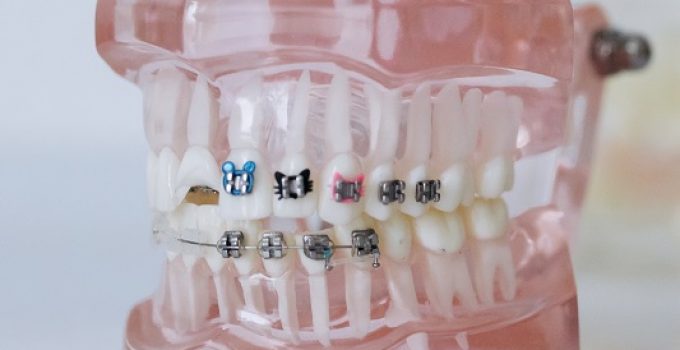
Once your teeth are clean and dry, a bracket is applied to your teeth and bonded to the surface using glue. Brackets can be made of ceramic, plastic, or stainless steel. Just as your teeth are different shapes and sizes, your brackets are custom-made for each tooth for a proper fit. These brackets help ensure that pressure is applied evenly throughout your mouth and are connected by an archwire.

Archwire

An archwire is a thin, rod-like piece of metal that connects all the brackets in your mouth. They can be made of stainless steel, nickel titanium, or copper titanium. These metal wires are responsible for creating the right amount of pressure against your teeth to move them into their optimal position.

Elastic Bands

Elastic bands also known as ligatures that connect to your brackets create additional pressure on your teeth and jaw. They can help to move an individual tooth or group of teeth in a certain direction.

They come in a variety of colors including clear or tooth-colored so that you can tailor your smile to your style during treatment.

How do braces move your teeth?

The brackets and archwire are the “heavy lifters” when it comes to moving your teeth. They control the amount of pressure used to guide your teeth into the right alignment.

At first, the archwire may be thin and flexible, but as you progress further into treatment the wire will become thicker and less flexible to apply more pressure to your teeth and jaw.

Each tooth is covered by a ligament and surrounded by bone. During orthodontic treatment, pressure is placed on your teeth causing the ligaments to stretch and loosen slightly. As your teeth shift, osteoclasts are produced to break down some of the bone surrounding your teeth so your tooth can move. Don’t worry though–new bone is created to support your tooth’s new position thanks to osteoblasts!

At every appointment, we evaluate your progress and adjust your wires to keep consistent pressure on your teeth. Most appointments are scheduled every six to eight weeks to give your teeth time to shift and adjust at a steady pace.

Does it hurt?

Treatment can cause some discomfort, tenderness, and soreness as your teeth shift into their new position. Irritation can also be caused by the brackets and wires rubbing against the soft tissues of your mouth.

Why does treatment take a long time?

We do our best to keep your treatment length as short as possible. The average course of treatment can take anywhere from 1 to 3 years. You can help keep your treatment time short by following your orthodontist’s instructions for the care and maintenance of your braces.

It takes time to move your teeth properly, if your teeth move too fast, it can not only be painful but also damage the roots of your teeth and the surrounding bone and soft tissues. Once your treatment is completed, you will be asked to use a retainer to help ensure your teeth, bones, and surrounding tissues remain in their new position.

Whether you are considering orthodontics, in the middle of treatment, or about to have your braces removed, we are here to help you in your journey towards a straight and brilliant smile. For more information on orthodontics and our services or to schedule an appointment, contact Rockland Orthodontics today.

Moving Your Teeth With Braces Read More »

Skip to content